
Chinese Gods
Chinese Gods and Goddesses
Chinese gods come from several overlapping traditions, including ancient state worship,
local and household religion, Daoism, Buddhism, mythology, literature and the deification
of historical people. There is no single universally fixed list of Chinese gods, so the
most useful approach is to group major figures by role and religious context.
Names Directory
Compare Chinese characters, pinyin, roles and traditions.
Daoist Deities
Explore gods, celestial officials, protectors and immortals.
Buddhist Figures
Read about bodhisattvas and Buddhist figures in China.
Divine Hierarchies
Understand the Three Pure Ones and celestial administration.
What Are Chinese Gods?
“Chinese gods” is a useful English search term, but it covers figures with very
different identities. Some are worshipped deities, some are ancient culture heroes,
some are Daoist immortals, some are Buddhist bodhisattvas, and others are historical
people who acquired religious or legendary status after death.
The Chinese word shen 神 can refer to a deity, divine power, spirit or
numinous presence. Its range is wider than the English word “god.” A shen
may govern a natural force, protect a locality, watch over a household, occupy a
celestial office or represent an honored person whose influence continued after death.
This is why figures such as
Pangu,
Sun Wukong,
Guanyin,
Confucius,
Guan Yu
and the
Eight Immortals
should not all be described as the same type of god.
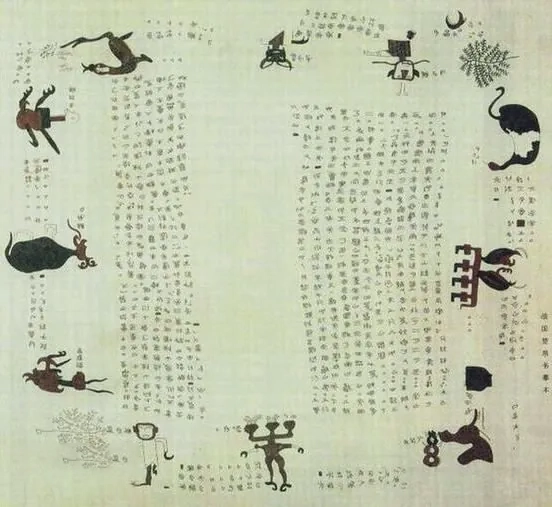
are not identical to those of household gods, Buddhist bodhisattvas or Daoist immortals.
God or deity
A broad English category for a divine being. It is convenient, but it can hide
differences between religious traditions, ritual offices and mythological roles.
Shen 神
A flexible Chinese term that may mean deity, spirit or divine power. A local god,
nature deity, ancestor or celestial official may all be described as a shen.
Xian 仙
Usually translated as “immortal” or “transcendent.” A xian is associated with
spiritual transformation, longevity and Daoist cultivation rather than simply
ruling a divine domain.
Bodhisattva
A Buddhist being dedicated to awakening and the liberation of others.
Guanyin is therefore
more accurately identified as a bodhisattva of compassion than merely a
“Chinese goddess.”
Culture hero
A legendary figure credited with establishing skills, institutions or practices
important to civilization. Fuxi and Cangjie are frequently interpreted through
this category.
Deified historical person
A person remembered from history whose reputation developed through official
recognition, storytelling, temple worship or popular devotion. Guan Yu, Mazu
and Bao Zheng illustrate different forms of this process.
Legendary character
A figure known mainly through myth, folklore, drama or literature.
Sun Wukong is primarily a literary and legendary hero, although later settings
may give him divine titles or ritual significance.
Local or household god
A deity connected with a particular home, neighborhood, city, mountain, river,
trade or region. The Kitchen God and Door Gods belong to the religious world
closest to daily family life.
“Chinese gods” does not mean a closed list of equivalent supernatural characters.
It is an umbrella expression for divine, religious, mythological and legendary figures
whose identities often overlap without becoming identical.
Why There Is No Single Chinese Pantheon
China’s religious landscape developed across many periods, communities, ritual systems
and literary traditions. As a result, there is no single complete pantheon accepted in
the same form throughout every region and historical era.
Heaven, ancestors and natural powers
Ancient state worship included Heaven, royal ancestors, mountains, rivers,
agricultural forces and other powers essential to political and natural order.
Revelations and celestial offices
Daoist scriptures and ritual traditions developed exalted deities, perfected beings,
divine ministries and complex models of celestial administration.
Buddhas and bodhisattvas
Buddhism introduced figures and cosmologies from India and Central Asia that were
translated, represented and interpreted within Chinese religious culture.
Practical gods of daily life
Families and communities honored deities connected with wealth, marriage, childbirth,
protection, health, weather, travel, trades and local identity.
People who became divine figures
Generals, officials, healers, monks and regional protectors could be transformed
through memory, legend, imperial titles and worship after death.
Mythology shaped by stories
Novels, drama, temple tales and oral storytelling expanded the identities of figures
such as Sun Wukong, Nezha, Erlang Shen and the Dragon Kings.
Chinese Gods, Immortals and Legendary Figures
The following directory groups important figures by their best-known role or context.
Some could appear in more than one category, but each entry is placed where it is most
useful for a reader beginning research.
| English name | Chinese | Pinyin | Main role or domain | Main tradition or context | Detailed guide |
|---|---|---|---|---|---|
| 1. Supreme and Celestial Figures | |||||
| Jade Emperor | 玉皇大帝 | Yùhuáng Dàdì | Heavenly sovereign and celestial administrator | Chinese popular religion and Daoist tradition | Jade Emperor |
| Three Pure Ones | 三清 | Sān Qīng | Highest sacred figures in many formal Daoist arrangements | Daoist theology and ritual | Daoist hierarchy |
| 2. Creation and Culture Heroes | |||||
| Pangu | 盘古 | Pángǔ | Primordial being associated with the separation of Heaven and Earth | Creation mythology and later literature | Pangu |
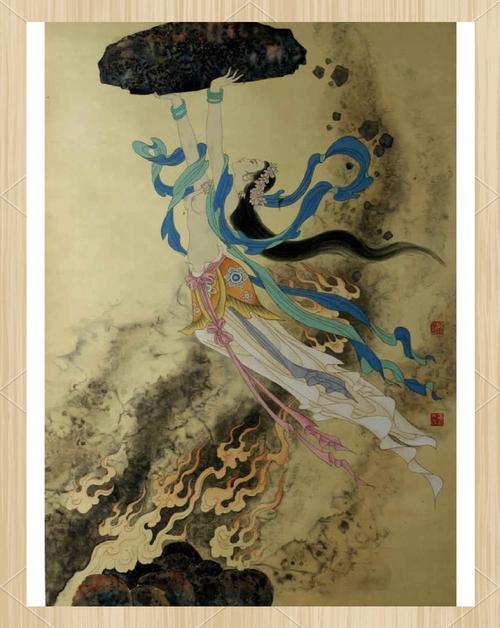
| Nüwa | 女娲 | Nǚwā | Creation of humanity and repair of the damaged sky | Ancient mythology and later religious tradition | Nüwa |
| Fuxi | 伏羲 | Fúxī | Ancestral culture hero associated with civilization and the trigrams | Ancient myth, cultural memory and later tradition | Fuxi |
| Cangjie | 仓颉 | Cāngjié | Legendary inventor or organizer of Chinese writing | Culture-hero tradition | Cangjie |
| 3. Nature, Weather and Water Deities | |||||
| Lei Gong | 雷公 | Léi Gōng | Thunder, storms and divine punishment | Folk religion and Daoist weather traditions | Lei Gong |
| Yu Shi | 雨师 | Yǔ Shī | Rainfall, seasonal moisture and agricultural weather | Ancient ritual, mythology and Daoist tradition | Yu Shi |
| Dragon Kings | 龙王 | Lóngwáng | Seas, rivers, rain and regional waters | Popular religion, Daoism and Buddhist-influenced stories | Dragon Kings |
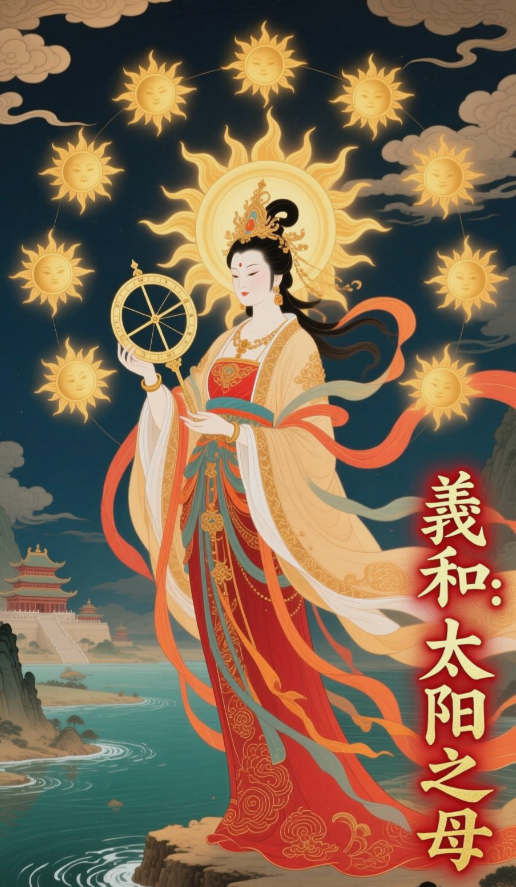
| Xihe | 羲和 | Xīhé | Solar mother, charioteer or figure connected with the suns | Early textual mythology | Xihe |
| 4. Wealth, Prosperity and Fortune Gods | |||||
| Caishen | 财神 | Cáishén | Wealth, prosperity and commercial fortune | Popular religion and Daoist-influenced traditions | Caishen |
| 5. Love, Marriage and Family Deities | |||||
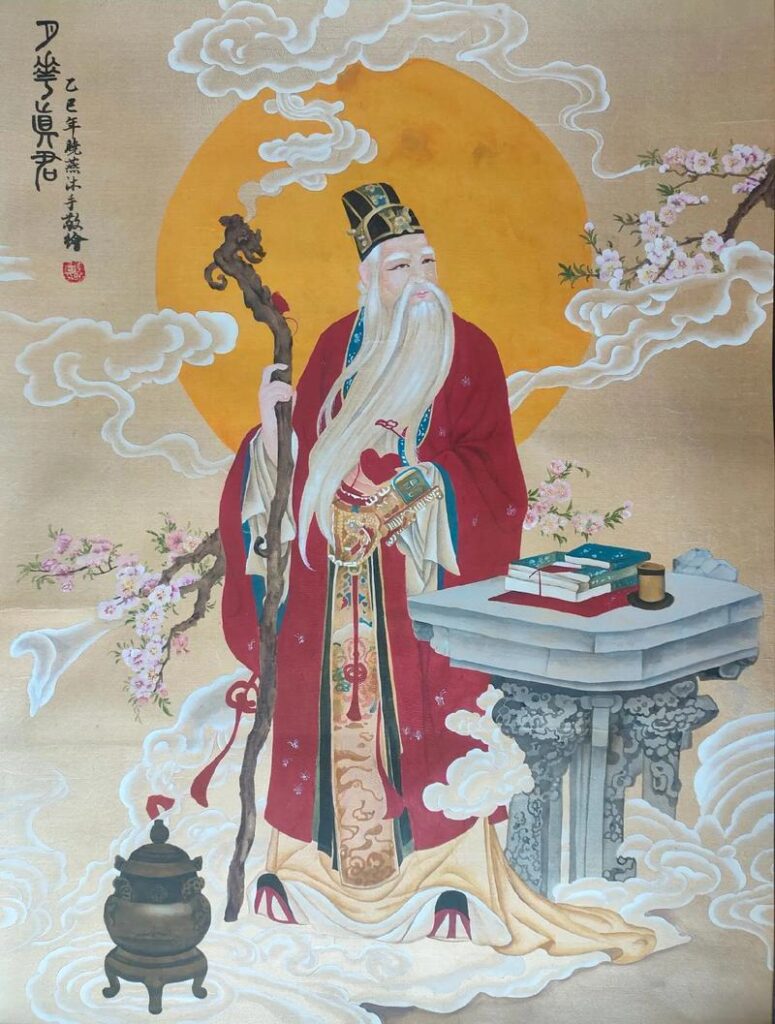
| Yue Lao | 月老 | Yuè Lǎo | Marriage, matchmaking and the red thread of fate | Chinese folklore and popular religion | Yue Lao |
| Bixia Yuanjun | 碧霞元君 | Bìxiá Yuánjūn | Childbirth, children, protection and pilgrimage | Northern Chinese and Mount Tai religious traditions | Bixia Yuanjun |
| 6. Household and Protective Gods | |||||
| Kitchen God | 灶神 | Zàoshén | Household conduct, hearth and the family’s annual report | Household and popular religion | Kitchen God |
| Door Gods | 门神 | Ménshén | Protection of entrances, homes and buildings | Household worship and New Year customs | Door Gods |
| Zhong Kui | 钟馗 | Zhōng Kuí | Demon-quelling, exorcism and household protection | Folklore, visual culture and Daoist-influenced religion | Zhong Kui |
| 7. War, Justice and Loyalty Figures | |||||
| Guan Yu | 关羽 | Guān Yǔ | Loyalty, martial protection, justice and integrity | Deified historical person and popular religious protector | Guan Yu |
| Bao Zheng | 包拯 | Bāo Zhěng | Justice, impartial judgment and moral government | Historical official, folklore and localized deification | Bao Zheng |
| 8. Sea and Regional Guardian Deities | |||||
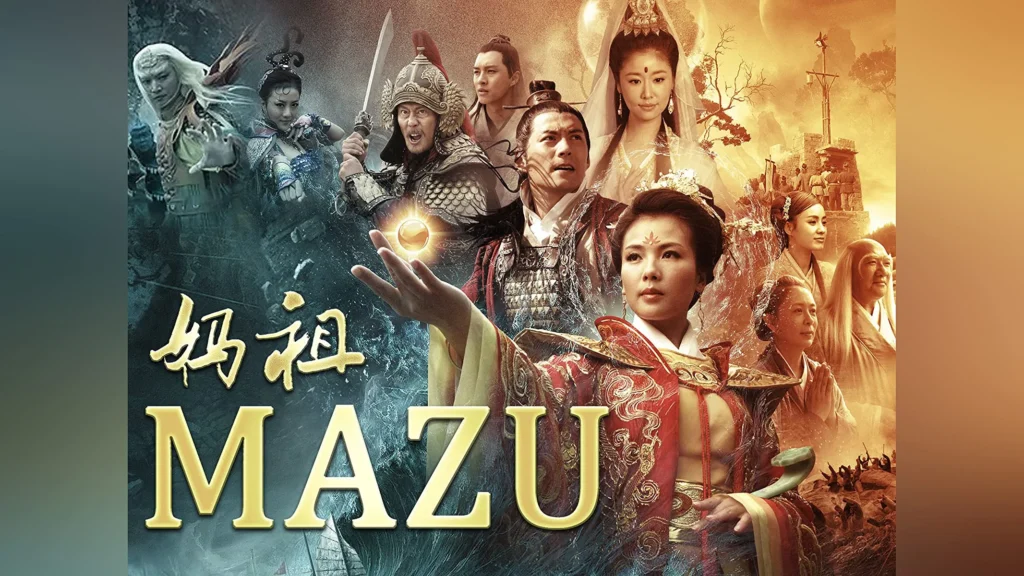
| Mazu | 妈祖 | Māzǔ | Sea travel, sailors, fishermen and coastal communities | Deified regional protector and living popular religion | Mazu |
| 9. Underworld Gods and Judges | |||||
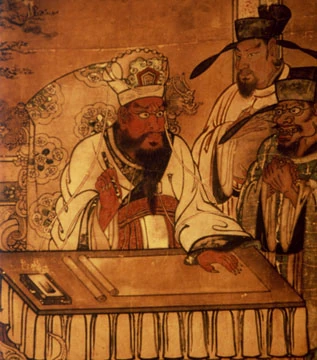
| Yanluo Wang | 阎罗王 | Yánluó Wáng | Judgment of the dead and administration of the underworld | Chinese Buddhism, Daoism and popular religion | Yanluo Wang |
| 10. Goddesses and Female Divine Figures | |||||
| Queen Mother of the West | 西王母 | Xīwángmǔ | Immortality, divine authority and the sacred western realm | Ancient mythology and later Daoist traditions | Xiwangmu |
| Chang’e | 嫦娥 | Cháng’é | The moon, immortality and separation | Mythology, festival culture and literature | Chang’e |
| 11. Immortals and Legendary Heroes | |||||
| Eight Immortals | 八仙 | Bāxiān | Transcendence, blessing, transformation and individual abilities | Daoist-associated immortals, folklore and art | Eight Immortals |
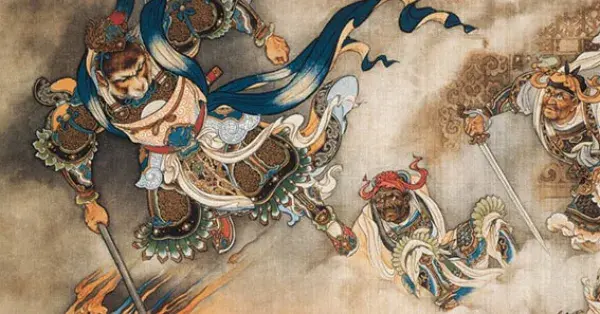
| Sun Wukong | 孙悟空 | Sūn Wùkōng | Rebellion, transformation, magical power and spiritual journey | Literary mythology, especially Journey to the West | Sun Wukong |
| Hou Yi | 后羿 | Hòu Yì | Divine archery and the myth of the ten suns | Ancient heroic mythology | Hou Yi |
| 12. Buddhist Figures in Chinese Tradition | |||||
| Guanyin | 观音 | Guānyīn | Compassion, protection and response to suffering | Chinese Buddhism; the bodhisattva Avalokiteśvara | Guanyin |
Major Chinese Gods by Role
Grouping figures by function is usually more helpful than trying to force them into
one universal family tree or power ranking.
Heavenly authority
The Jade Emperor
is widely portrayed as the ruler of Heaven and head of a celestial administration
in popular religion. In many formal Daoist arrangements, however, the
Three Pure Ones
occupy a more elevated theological level. Shangdi and Tian belong to still older
traditions of high divine authority and Heaven.
Creation and civilization
Pangu is associated with the ordering of the cosmos, while
Nüwa
creates humans in some stories and repairs the sky in others.
Fuxi is better understood
as an ancestral culture hero linked with social order, knowledge and the trigrams.
These traditions developed in different sources and should not be compressed into
one standardized creation narrative.
Weather and water
Lei Gong governs thunder, Yu Shi represents rain, and the
Dragon Kings
rule seas, rivers and regional waters. Their duties can overlap because weather
and water worship changed across state ritual, agriculture, Daoist systems and
local temple traditions.
Wealth and relationships
Caishen is a title and
religious category associated with wealth rather than one universally identical
biography. Yue Lao
is the divine matchmaker linked with marriage records and the red thread of fate.
Protection and justice
Door Gods guard entrances, the Kitchen God observes household life, and
Zhong Kui
drives away dangerous spirits. Guan Yu and Bao Zheng represent different forms of
historical memory transformed into religious or legendary authority.
Death and the underworld
Yanluo Wang
developed from the Buddhist figure Yama and became imagined as a Chinese-style
underworld magistrate. Depending on the tradition, he may rule the underworld
broadly or serve as one judge within a larger system of courts.
Chinese Goddesses
Chinese goddesses do not form one single category with identical origins or duties.
Their identities range from ancient cosmic figures to regional protectors and
Buddhist beings represented in feminine form.
Nüwa is an ancient
creator and world-repairing figure. Xiwangmu, the Queen Mother of the West, developed
across early mythology, religious art and later Daoist traditions connected with
immortality and divine authority. Chang’e is the central figure of a lunar myth complex
involving immortality, separation and the Moon.
Mazu is different:
her tradition begins with the remembered Fujianese woman Lin Mo and develops through
coastal worship, imperial titles, migration and living temple customs. Guanyin is also
frequently called a goddess in popular English, but “bodhisattva of compassion” is the
more accurate Buddhist identification.
Household and local deities
Chinese religion was not limited to distant cosmic rulers. Homes could be protected
by Door Gods and observed by the Kitchen God, while communities honored earth gods,
city gods, mountain gods, river gods and occupational protectors. These deities were
meaningful because they were attached to a specific place, family or practical need.
Daoist and Buddhist figures
Not every Chinese deity is Daoist. Some figures were incorporated into Daoist ritual
after originating in older nature worship or local religion. Buddhist figures such as
Guanyin entered China through Buddhist scriptures, translation, art and devotion.
Visit the separate
Daoist Deities
and
Buddhist Deities
directories for these traditions.
Deified historical people
Guan Yu was a historical general before becoming a symbol of loyalty, protection
and righteous authority. Mazu developed from traditions about Lin Mo, while Bao
Zheng was a Song official whose reputation for justice expanded through drama,
fiction and localized worship. Deification was a historical process, not proof
that every later legend was a factual biography.
How to use this directory
Begin with the figure’s role, then check the tradition or context column.
Readers interested in celestial ranks should use the
Daoist hierarchy guide.
Readers seeking stories should follow the individual pages. The
Chinese mythology homepage
provides broader navigation to legends, creatures, creation stories and religious traditions.
Frequently Asked Questions
Who is the most powerful Chinese god?
much popular religion, while the Three Pure Ones occupy the highest level in many
Daoist theological arrangements. Shangdi belongs to older traditions of supreme
heavenly authority. Buddhist figures operate within a different religious framework,
so placing all of them in one universal power ranking is misleading.
Who is the ruler of Heaven in Chinese mythology?
religion and mythology. He governs a heavenly administration, but he is not always
treated as the highest metaphysical being in every Daoist system.
How many Chinese gods are there?
local gods, household protectors, ancestors, occupational deities, nature spirits,
Buddhist beings, Daoist immortals and deified people. New cults and local forms also
developed at different times.
Is Sun Wukong a god?
Journey to the West. He gains supernatural powers, celestial titles and a
place within a Buddhist journey, and he may receive religious attention in some
settings. “Literary mythological hero” is usually more precise than describing him
as an ancient creator god.
Is Guanyin a Chinese goddess?
more accurate Buddhist description is the bodhisattva of compassion, corresponding
to Avalokiteśvara. Guanyin is frequently represented in feminine form in later
Chinese art and devotion.
Who is the Chinese god of wealth?
to several historical or legendary manifestations rather than one universally fixed
individual biography.
Who is the Chinese god of love?
with a marriage register and the red thread that connects people destined to marry.
Are Chinese gods Taoist?
religion, Daoism, Buddhism, regional cults, literature or the deification of historical
people. Many figures were shared between traditions or incorporated into Daoist systems
without having originated there.
What is the difference between a god and an immortal?
A xian, commonly translated as immortal or transcendent, is associated with spiritual
transformation, extraordinary longevity and Daoist cultivation. Some immortals are
worshipped and may function like divine figures, but the two categories are not
automatically identical.
Explore Individual Chinese Gods and Figures
Continue below to browse the existing Chinese Gods article archive. Use the article pages
for detailed stories, names, symbols, source traditions and cultural background.
Chinese Gods
Nüwa in Mythology
Nüwa in mythology is one of the most powerful and tender figures in ancient Chinese storytelling. She is remembered as...
Chinese Gods
Yue Lao: The Chinese God of Love and the Red Thread of Fate
In Chinese mythology, Yue Lao is the gentle but mysterious god of love and marriage. Also known as Yue Xia...
Chinese Gods
Yan Luo Wang
Yan Luo Wang is one of the most recognizable underworld figures in Chinese mythology. Often called Yan Wang, King Yan,...
Chinese Gods
Xihe 羲和: Chinese Sun Goddess
In Chinese mythology, Xihe 羲和 is one of the most fascinating solar figures: a mother of suns, a divine charioteer,...
Chinese Gods
Sun Wukong
Sun Wukong is one of the most unforgettable figures in Chinese mythology and world literature. Known in English as the...
Chinese Gods
Mazu: China’s Sea Goddess
Mazu is one of the most beloved goddesses in Chinese culture. Known as the goddess of the sea, she is...
Chinese Gods
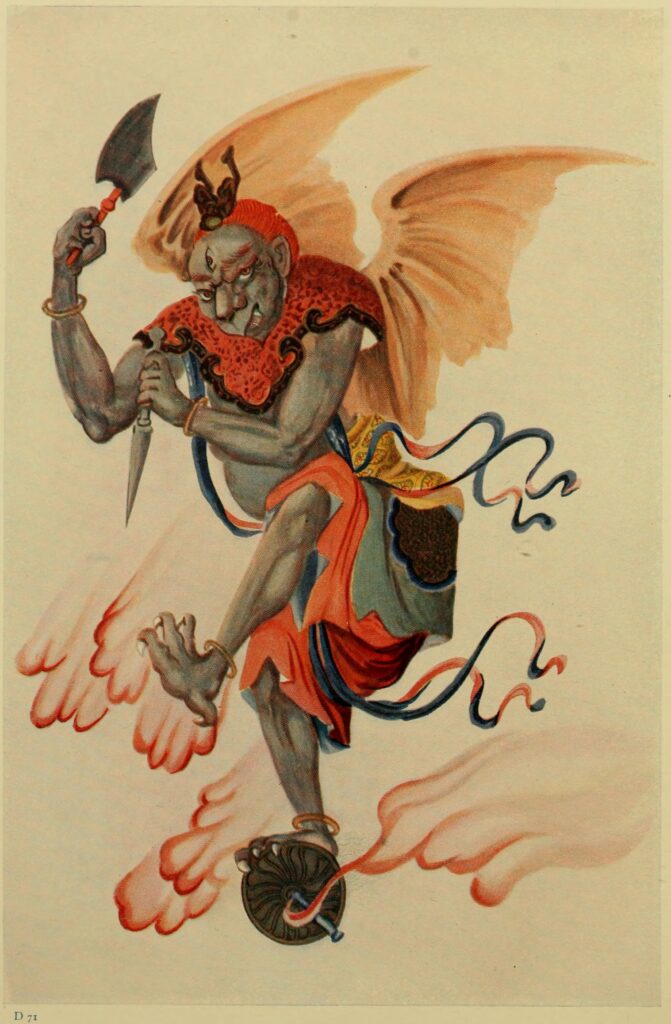
Lei Gong
In Chinese mythology, Lei Gong is not simply the god who makes thunder roll across the sky. He is also...
Chinese Gods
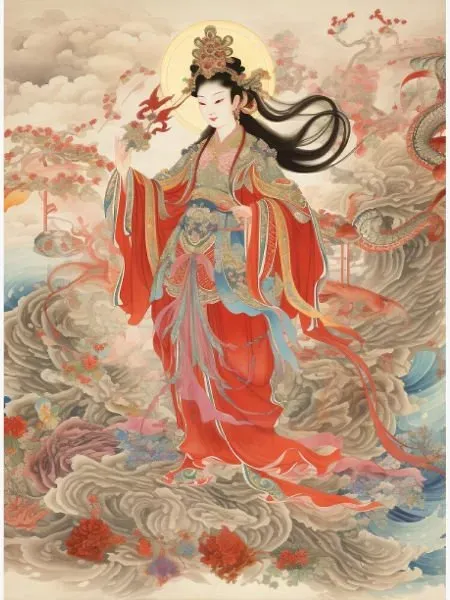
Jiutian Xuannu
Jiutian Xuannu is one of the most fascinating goddesses in Chinese mythology. Her name is often translated as “Mysterious Lady...
Chinese Gods
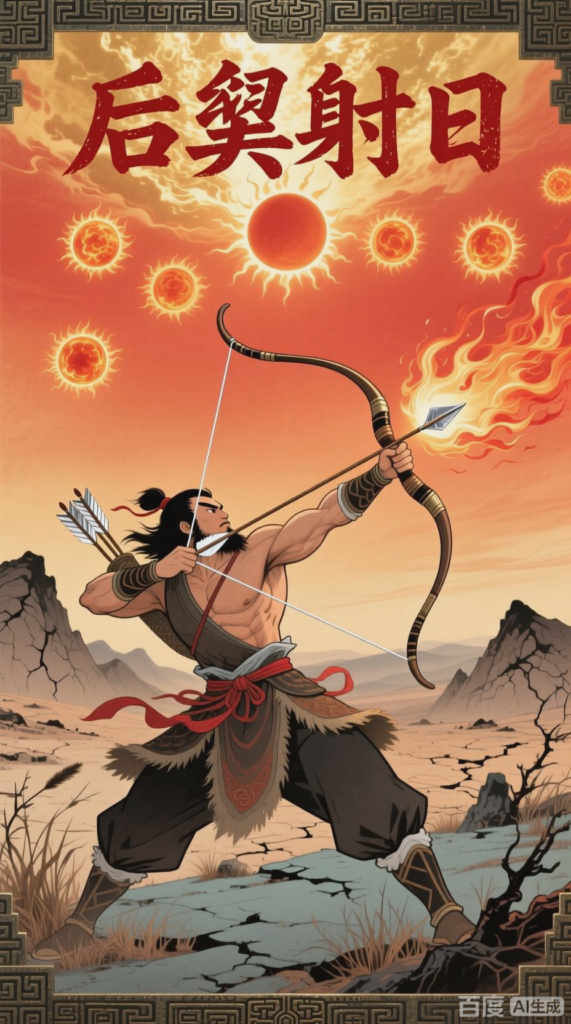
Hou Yi
If you have ever come across the famous story of ten suns burning the earth, then you have already met...
Chinese Gods
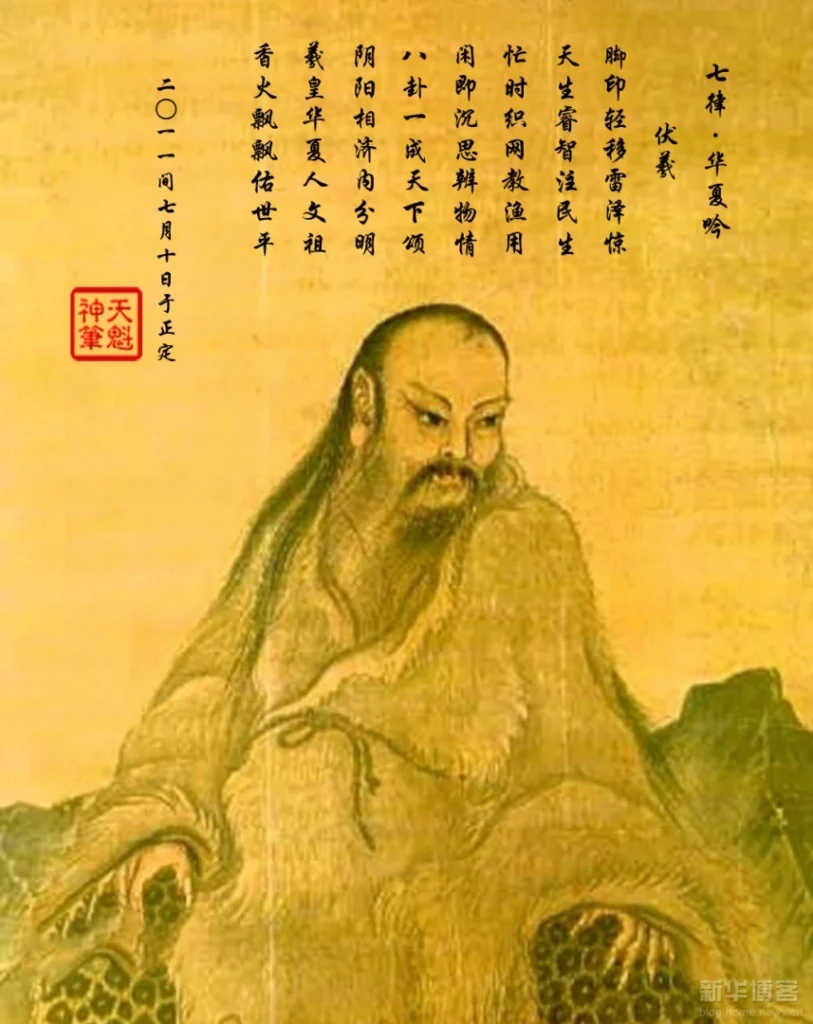
Fu xi
Legendary Ancestor and Culture Hero Fuxi in Chinese Mythology Fuxi, written 伏羲 and also spelled Fu Xi or Fu Hsi,...