
Mythical Creatures
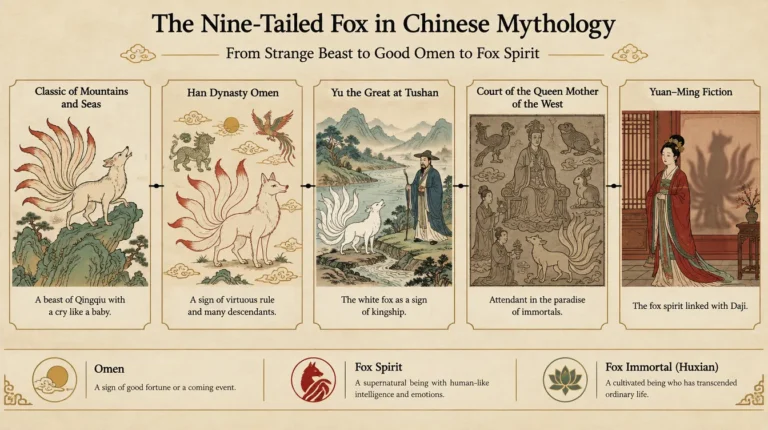
Nine-Tailed Fox in Chinese Mythology: Origins, Omens & Daji
October 21, 2026
Chinese Mythology Gods & Immortals
Chinese mythology is a vast system of ancient beliefs filled with powerful gods, legendary creatures, and immortal beings. This site explores the origins, stories, and cultural meanings behind the most important Chinese deities and myths.
MythologyChinese Encyclopedia
Chinese Mythology
Chinese mythology is not one single sacred book or unified belief system. It is a broad body of myths, legends, religious traditions, folk stories, historical memories, and literary narratives shaped over many centuries. Explore its gods, famous stories, mythical creatures, Taoist immortals, and Buddhist figures in clear English.
Start Exploring
Choose a path into Chinese mythology
Begin with a subject rather than a single fixed pantheon. Each collection introduces a different part of the mythological and religious world.
Chinese Gods
Meet creator figures, heavenly rulers, household protectors, culture heroes, and deified historical people.
Browse the deity directory → 傳Legends & Stories
Read creation tales, moon legends, flood narratives, heroic adventures, and stories of immortals.
Read the stories → 龍Mythical Creatures
Discover dragons, qilin, fenghuang, fox spirits, guardians, monsters, and auspicious beings.
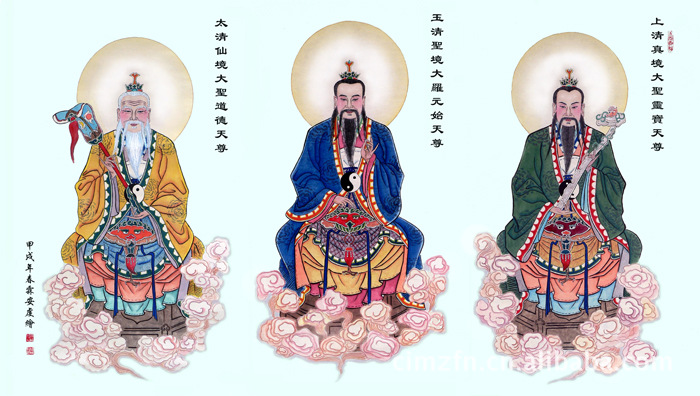
Meet the creatures → 道Taoist Deities
Explore immortals, celestial officials, star gods, protectors, and figures shaped by Daoist traditions.
Explore Taoist figures → 佛Buddhist Deities
Learn about bodhisattvas, guardians, arhats, and Buddhist figures as understood in Chinese culture.
Explore Buddhist figures →
What Is Chinese Mythology?
A changing body of stories, symbols, and sacred figures
Ancient Chinese mythology grew through oral storytelling, ritual, classical writing, regional traditions, and changing ideas about the cosmos. It later interacted with organized Daoism, Buddhism, local worship, ancestor traditions, imperial culture, drama, novels, and visual art.
That history explains why one figure may appear differently in a temple, an early text, a folktale, or a later novel. A legendary ruler may be remembered as an ancestor; a historical official may become a protective deity; and a literary character may enter popular religious practice. The result is not a single official family tree, but a layered cultural record with many local and historical versions.
Famous Chinese Mythology Figures
Eight figures worth knowing first
These short introductions are starting points. Follow each link for the figure’s names, stories, source traditions, symbols, and later interpretations.
Pangu
A primordial giant associated with the separation of Heaven and Earth in one influential creation tradition.
Read about Pangu →Nüwa
A creator and cosmic repairer remembered in stories about making humans and mending the damaged sky.
Meet Nüwa →Fuxi
An ancestral culture hero traditionally linked with early social order, the bagua, and the beginnings of civilization.
Explore Fuxi →Jade Emperor
A major heavenly ruler in popular religion and Daoist-influenced tradition, though divine hierarchies vary.
Meet the Jade Emperor →Chang’e
The moon figure at the center of several elixir and lunar legends connected with the Mid-Autumn Festival.
Read Chang’e’s story →Sun Wukong
The rebellious Monkey King of Journey to the West, famous for transformation, wit, power, and spiritual discipline.
Discover Sun Wukong →Dragon Kings
Water and rain deities associated with seas, rivers, wells, regional worship, and celestial administration.
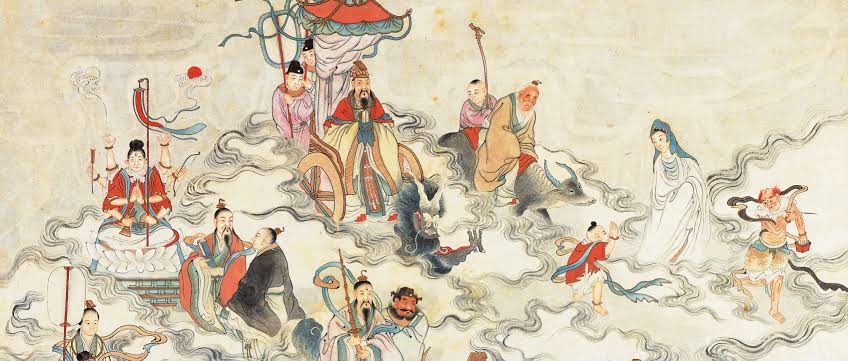
Explore the Dragon Kings →Eight Immortals
A famous group of Daoist immortals whose distinct personalities and emblems shaped folklore and art.
Meet the Eight Immortals →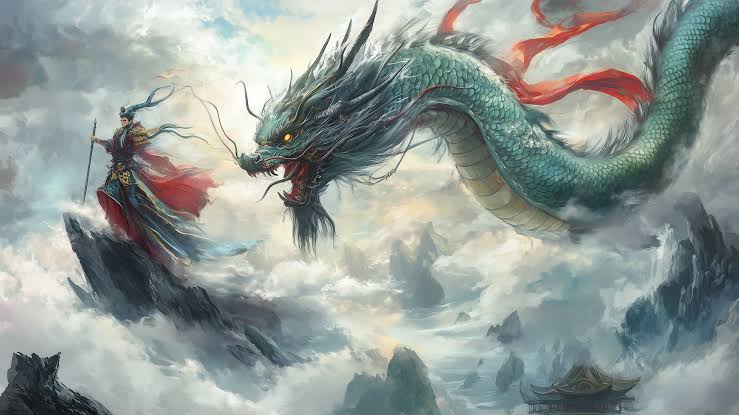
Legendary Creatures and Symbols
Creatures that carry cultural meaning
Chinese mythical creatures are not simply fantasy animals. Their meanings developed through ritual, political symbolism, religion, literature, regional belief, and decorative art.
Chinese Dragon
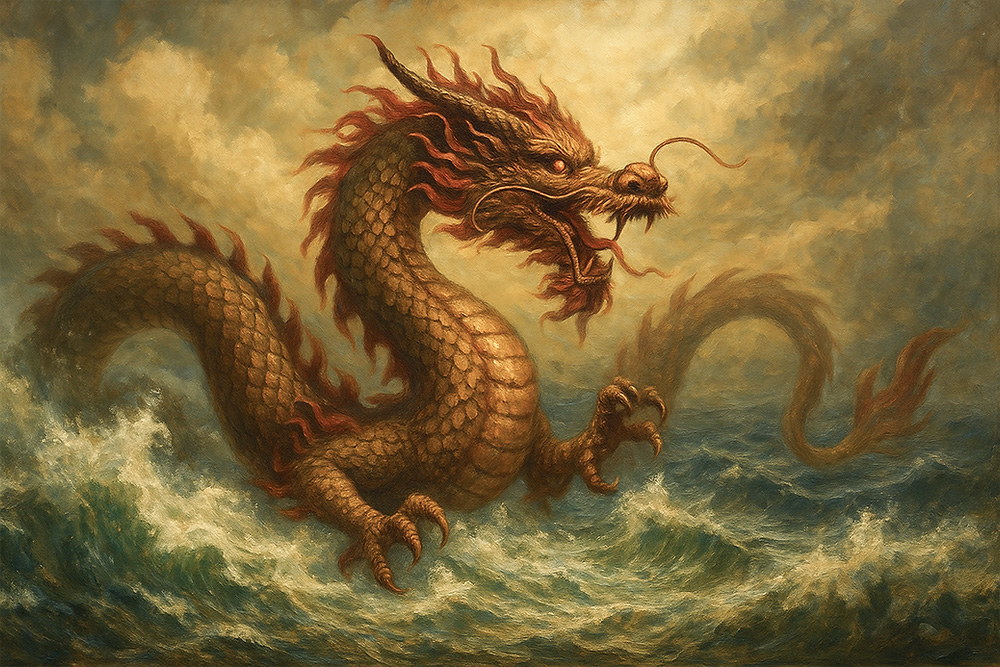
The Chinese dragon, or long, is strongly associated with water, rain, dynamic power, rulership, and auspicious imagery. Its meaning is broad and changed across periods and settings.
Explore dragon meaning and symbolism →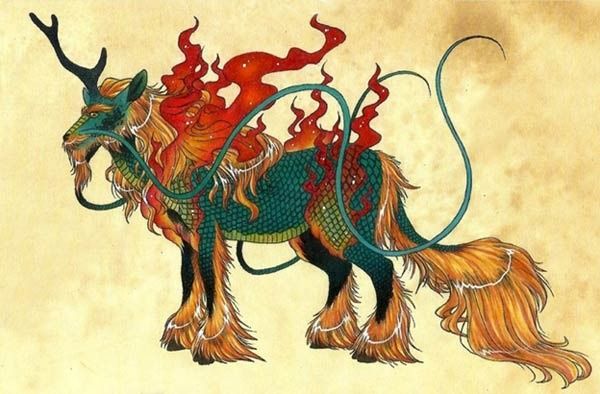
Qilin and Fenghuang
The qilin is commonly treated as an auspicious being linked with virtuous rule and extraordinary births. The fenghuang is a distinct Chinese mythic bird associated with harmony, order, and high status—not merely a Western phoenix under another name.
Discover more mythical creatures →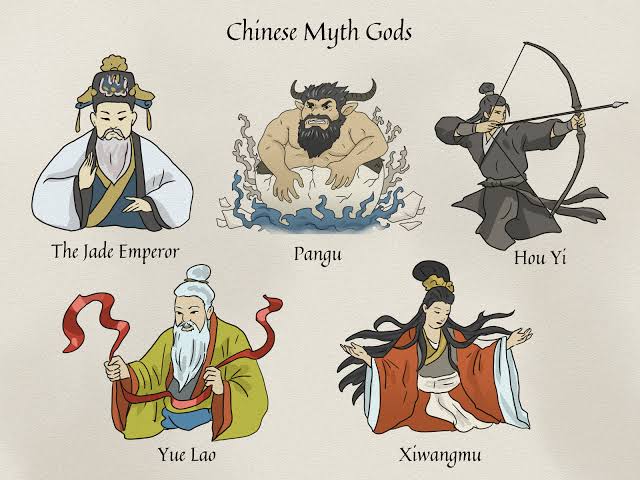
Famous Stories
Read the legends behind the names
Chinese mythology stories often survive in several forms. A concise guide should identify the central plot while making room for earlier texts, regional retellings, religious interpretations, and literary expansions.
Mythology and Religion
Connected traditions, not identical systems
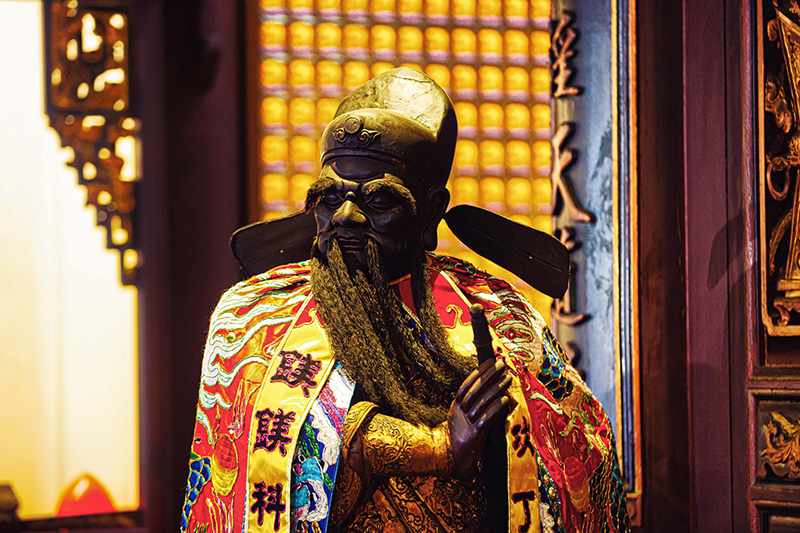
Chinese mythology overlaps with religion, but the terms are not interchangeable. Daoism has its own texts, institutions, rituals, schools, deities, and ideas of cultivation. Buddhism originated outside China and developed distinctive Chinese forms, including major traditions of bodhisattva and guardian worship. Chinese popular religion includes household, local, ancestral, occupational, regional, and festival practices that may borrow from several traditions.
The boundaries can be fluid: the same temple complex, artwork, or story may contain Daoist, Buddhist, local, and literary elements. Fluidity does not erase difference. A reliable guide should explain where a figure appears, how the traditions interacted, and why classifications may change by time and community.
Beginner’s Reading Path
Five simple ways to begin
Choose the route that matches your question, then follow the internal links from each guide to individual figures and stories.
Creation Myths
Start with Pangu, Nüwa, Fuxi, Heaven, Earth, and human origins.
Path 02Major Gods
Browse deities by role without assuming one universal hierarchy.
Path 03Famous Legends
Read moon tales, flood myths, heroic stories, and literary adventures.
Path 04Mythical Creatures
Learn the cultural roles of dragons, qilin, fenghuang, spirits, and monsters.
Path 05Taoist Immortals
Meet the Eight Immortals, their emblems, stories, and paths to transcendence.
About MythologyChinese
Clear guides with cultural and source context
MythologyChinese is an English-language guide to Chinese myths, legends, deities, immortals, creatures, folklore, and cultural symbols. The site explains Chinese names for international readers, distinguishes important story versions, and avoids presenting one later retelling as the only accepted account.
Articles are designed to move from a direct answer to deeper context: who or what the subject is, where the story appears, how it changed, what it symbolizes, and how mythology connects with religion, literature, art, and living tradition.