
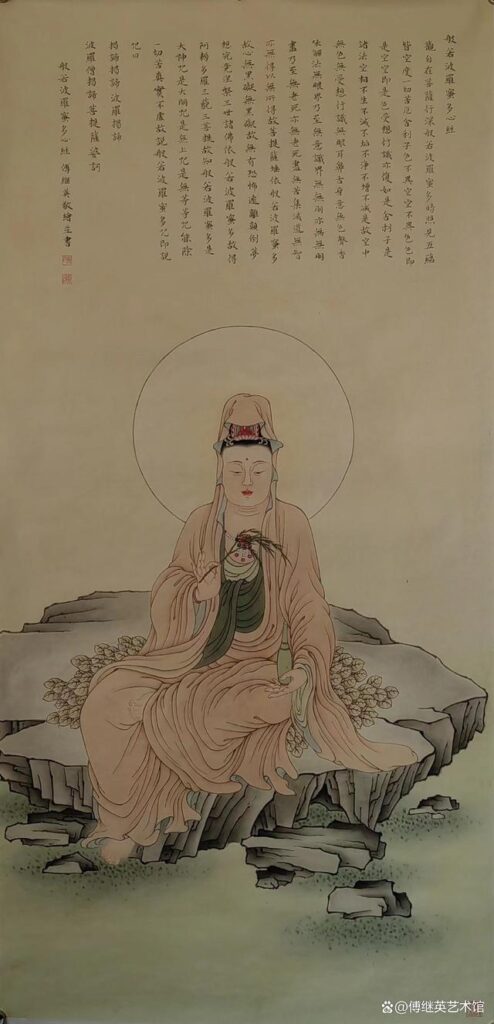
If you have ever come across the name Guanyin, you have probably seen her described as the goddess of mercy, compassion, and protection. In Chinese culture, Guanyin is one of the most beloved spiritual figures, known for hearing the cries of the suffering and responding with kindness. Her image appears in temples, paintings, family altars, classical literature, and everyday life, where she remains a symbol of comfort in difficult times.
What makes Guanyin so fascinating is that she is more than a religious figure. She is also a cultural bridge between Buddhism, folklore, literature, and popular devotion. Her story carries layers of meaning: historical, spiritual, mythical, and deeply human. For many people, Guanyin represents the hope that mercy is never out of reach.
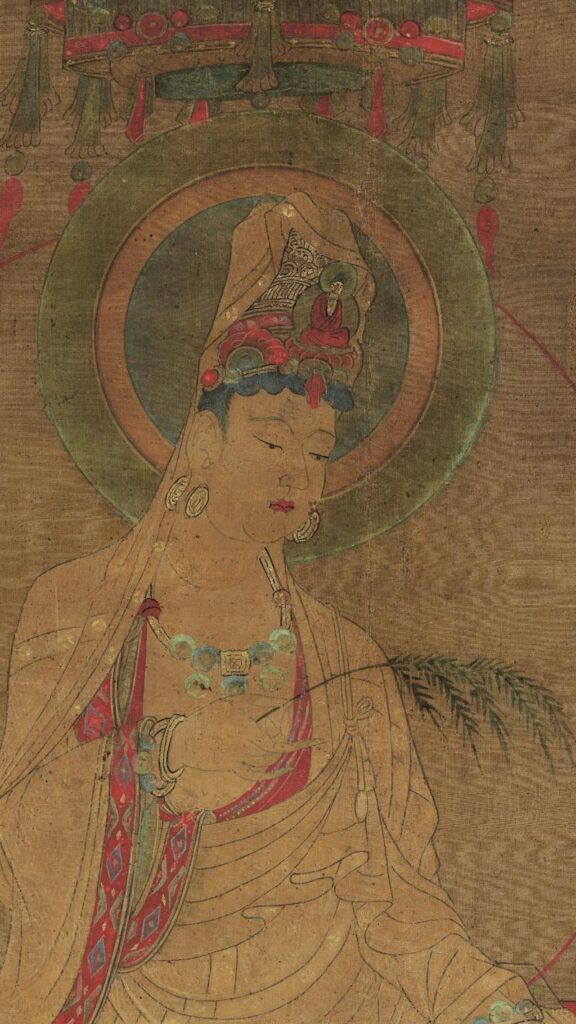
Who Is Guanyin?
Guanyin is widely known in Chinese tradition as the embodiment of compassion. She is often called upon by people facing fear, illness, grief, uncertainty, or danger. In many households and temples, Guanyin is revered as a merciful presence who listens to suffering and offers protection.
Although Guanyin is commonly portrayed as female in China, her roots trace back to the bodhisattva Avalokiteśvara, a figure of Indian Buddhist origin. As Buddhism spread into China, Avalokiteśvara gradually merged with local beliefs and storytelling traditions. Over time, this process shaped the figure now widely recognized as Guanyin.
That transformation is one reason Guanyin feels so uniquely Chinese while still carrying a wider Buddhist heritage. She stands at the meeting point of imported religion and local imagination.
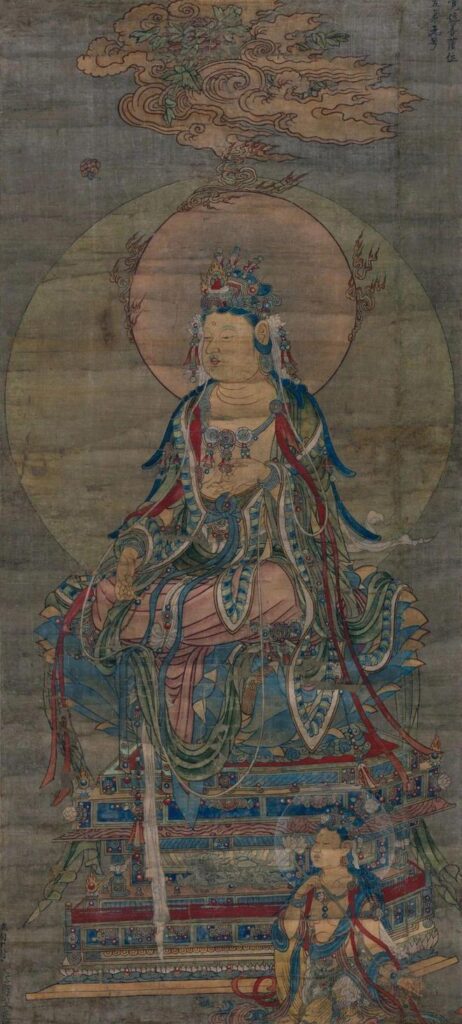
The Meaning of the Name Guanyin
The name Guanyin has a powerful meaning. It comes from an earlier translation of Avalokiteśvara, often rendered as Guanshiyin, meaning “the one who hears the sounds of the world.” In a more poetic sense, Guanyin is the one who hears the cries of those in pain.
Later, the name was shortened to Guanyin. Even in its shorter form, it still carries the same emotional weight. The name reflects her defining power: deep awareness of suffering and boundless compassion in response to it.
This is one reason Guanyin remains so moving to many people. Her name itself suggests attention, empathy, and presence.
How Guanyin Became a Symbol of Compassion
Guanyin’s importance comes not only from doctrine, but from the emotional role she plays in people’s lives. She is seen as a figure who responds where suffering exists. In Chinese belief and storytelling, this compassion is active rather than distant. Guanyin does not simply observe pain. She moves toward it.
Over centuries, this image of mercy made her especially beloved among ordinary people. She became associated with protection for women and children, aid in times of crisis, safe travel, healing, and even blessings for those hoping to have children.
In that sense, Guanyin is not only a sacred figure of high theology. She is also a presence woven into daily hopes and fears.
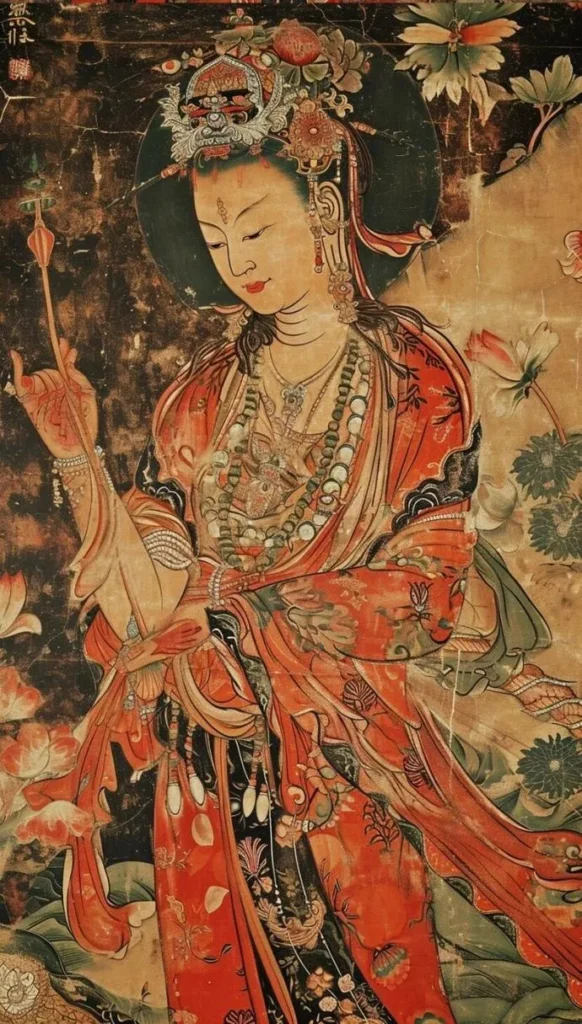
The Legend of Miao Shan
One of the most famous stories connected to Guanyin is the legend of Miao Shan. In this narrative, before becoming the compassionate bodhisattva, Guanyin was a princess named Miao Shan, the daughter of King Zhuang.
Unlike what her father expected, Miao Shan had no interest in worldly marriage or courtly ambition. She wanted to become a Buddhist nun and devote herself to spiritual practice. When pressed to marry, she said she would only agree if marriage could end the suffering of old age, sickness, and death. Since no such promise could be made, she refused.
Her father, angered by her determination, sent her to a temple and ordered that she be given impossible labor in the hope that hardship would break her spirit. But Miao Shan remained steadfast. In many retellings, even animals came to help her with the work, as if nature itself recognized her goodness.
When the king’s rage deepened, he ordered her execution. Yet even at the moment of death, Miao Shan responded with compassion rather than hatred. Some versions say miraculous events prevented the execution at first, while others emphasize that she willingly accepted death and took on the karmic burden so the executioner would not suffer for killing her.
Afterward, she descended into Hell, where her presence transformed suffering. Flowers bloomed, pain was eased, and trapped souls were released through the force of her compassion. In the end, she returned as the enlightened Guanyin, a being dedicated to saving others.
This story helps explain why Guanyin is seen not just as kind, but as compassion made absolute.
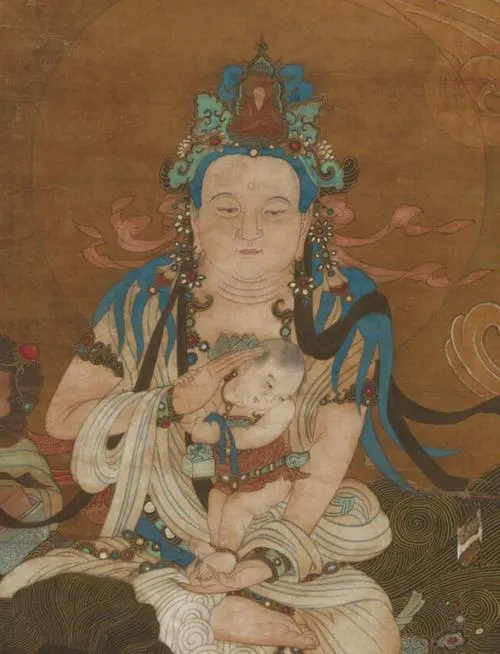
Guanyin, Shancai, and Longnü
Two well-known figures often appear beside Guanyin: Shancai and Longnü.
Shancai is remembered as a devoted disciple. In one story, he seeks out Guanyin despite physical hardship and proves his sincerity through courage and selflessness. His devotion is rewarded, and he remains at her side as a symbol of faithful discipleship.
Longnü, whose name means “Dragon Girl,” is linked to another famous story. After Guanyin and Shancai help rescue a dragon prince, the Dragon King sends treasures in gratitude. Longnü, moved by Guanyin’s wisdom and compassion, becomes her disciple as well. She is often associated with spiritual purity, transformation, and the connection between the human and the divine.
Together, Shancai and Longnü enrich Guanyin’s iconography and storytelling world, giving her presence a fuller mythic setting.
Guanyin’s Symbols and Attributes
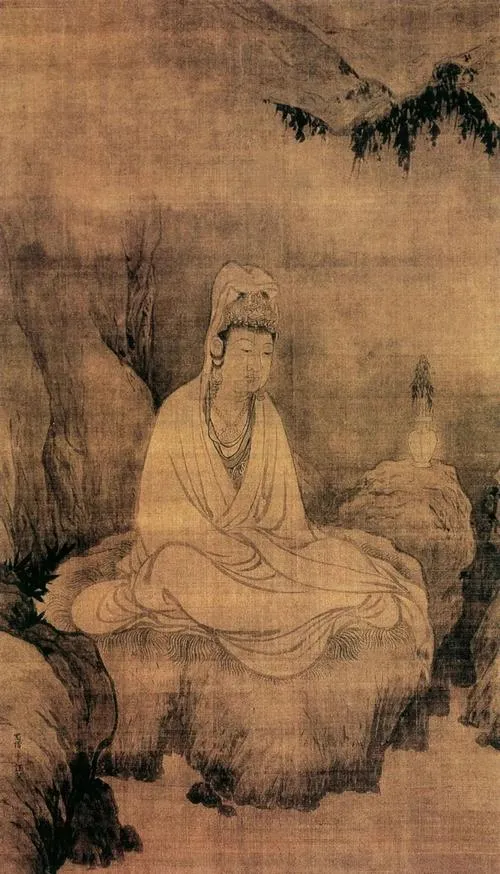
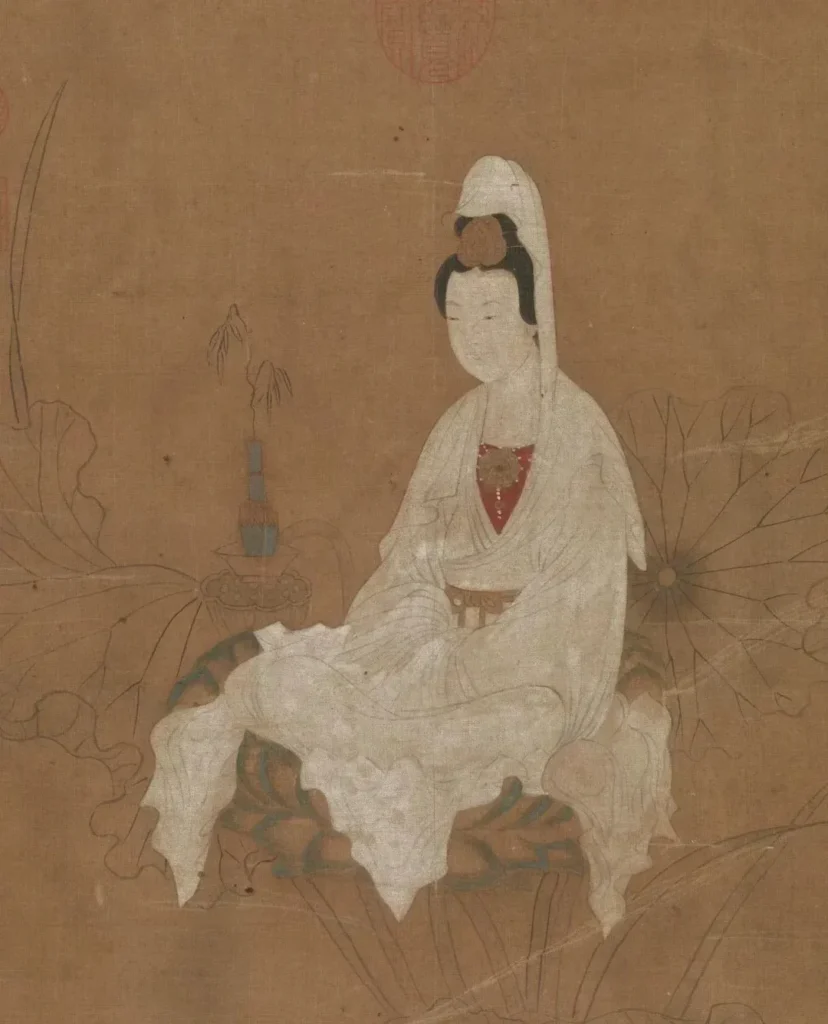
Guanyin is often depicted in ways that immediately communicate serenity and purity. Traditional images commonly show her in a flowing white robe, a color associated with cleanliness, peace, and spiritual refinement. She may also wear jade ornaments, which carry connotations of beauty and moral purity in Chinese culture.
Several symbols appear again and again in her imagery:
The vase of pure water:
This represents healing, blessing, and the gentle power to cleanse suffering.
The willow branch:
Often held in or placed beside the vase, the willow suggests flexibility, healing, and compassionate action.
The lotus flower:
Like many Buddhist symbols, the lotus stands for purity rising above the troubles of the world.
Clouds, dragons, or the sea:
These elements connect Guanyin to transcendence, movement between realms, and her legendary association with sacred islands and miraculous appearances.
These visual details help explain why Guanyin’s image feels calm and reassuring even to people who know little about her background.
Guanyin in Chinese Buddhism and Folk Belief
Guanyin occupies a major place in Chinese Buddhist devotion. She is often regarded as one of the most compassionate bodhisattvas, a being who postpones final Buddhahood in order to help sentient beings. In Pure Land traditions, she is also associated with Amitabha Buddha and the Western Pure Land.
At the same time, Guanyin’s influence extends far beyond formal religious study. Folk belief, temple worship, storytelling traditions, and seasonal observances have all helped shape her presence in Chinese life. She is one of those rare figures who belongs both to scripture and to the everyday imagination.
In Chinese tradition, specific dates are associated with Guanyin, including her birthday, enlightenment day, and nirvana day according to the lunar calendar. Her sacred presence is also strongly linked with Mount Putuo, one of the four great Buddhist mountains of China. Over time, this site became one of the most important pilgrimage centers dedicated to her worship.
For many devotees, however, Guanyin is not confined to any single mountain or temple. She is present wherever compassion is practiced.
Why Guanyin Is Often Portrayed as Female
One of the most interesting things about Guanyin is the shift in representation over time. Avalokiteśvara, the earlier Indian form of the bodhisattva, was originally depicted in male form. In China, however, Guanyin gradually came to be represented more often as female, especially from the medieval period onward.
This change reflects the way Chinese culture interpreted compassion. A gentle, maternal, protective image resonated deeply with local devotional life. The result was a figure whose feminine appearance came to symbolize mercy, tenderness, and spiritual grace.
That said, Guanyin is often understood as transcending fixed gender. In Buddhist thought, a bodhisattva can appear in whatever form is needed to help others. This flexibility is part of Guanyin’s spiritual power.
Guanyin in Literature and Popular Culture
Guanyin appears in many stories, but one of the most famous is Journey to the West. In that classic novel, she plays a smaller role than the main travelers, yet her presence is important. She helps guide events, offers assistance, and intervenes when supernatural problems become too difficult for others to solve.
Beyond classical literature, Guanyin continues to appear in films, novels, television, and visual art. Her image remains instantly recognizable, even to people who do not actively practice Buddhism. In some modern settings, she is reimagined in highly unusual ways, including technological or futuristic forms, showing how adaptable and enduring her symbolism has become.
This ongoing presence in popular culture says something important: Guanyin is not only ancient. She is still culturally alive.
Why Guanyin Still Matters Today
There are many revered figures in myth and religion, but Guanyin endures because she speaks to a universal need. People want to believe that suffering is heard. They want to believe compassion is real, active, and near.
That is why Guanyin still matters. She represents a form of mercy that does not depend on power, wealth, or status. She stands for the idea that gentleness can be profound, that listening can be sacred, and that kindness can be transformative.
Even outside strictly religious settings, Guanyin remains meaningful as a cultural symbol. She embodies care in a world that often feels harsh. And perhaps that is why her image continues to resonate across centuries.
Final Thoughts on Guanyin
To understand Guanyin is to understand more than a single figure from Chinese mythology or Buddhism. She is a symbol of compassion shaped by translation, faith, legend, literature, and popular devotion. From the story of Miao Shan to the sacred landscape of Putuo Mountain, from Buddhist scripture to household prayer, Guanyin has become one of the most enduring presences in Chinese spiritual culture.
Whether someone approaches her through religion, folklore, art, or simple curiosity, Guanyin leaves a lasting impression. She is remembered not for conquest or judgment, but for mercy. And that may be the deepest reason her story continues to be told.
FAQ
Who is Guanyin?
Guanyin is the bodhisattva of compassion in Chinese Buddhist tradition and is widely known as the goddess of mercy. She is believed to hear the cries of those who suffer and respond with compassion.
Is Guanyin a goddess or a bodhisattva?
In formal Buddhist terms, Guanyin is a bodhisattva. However, in popular language, many people refer to her as a goddess because of her nurturing and protective role.
What does the name Guanyin mean?
Guanyin is generally understood to mean “the one who hears the sounds of the world,” especially the cries of suffering beings.
Was Guanyin originally male or female?
Guanyin developed from Avalokiteśvara, who was originally represented in male form in India. In China, Guanyin gradually became more commonly depicted as female.
What is the story of Miao Shan?
Miao Shan is a legendary princess who renounced worldly life, endured great suffering, and ultimately became Guanyin through her extraordinary compassion and spiritual dedication.
What are Guanyin’s common symbols?
Guanyin is often shown with a white robe, a vase of pure water, a willow branch, and a lotus flower. These symbols represent purity, healing, compassion, and spiritual grace.
Why is Guanyin important in Chinese culture?
Guanyin is important because she represents mercy, protection, and hope. Her influence extends through religion, folklore, literature, pilgrimage traditions, and everyday spiritual life.
Where is Guanyin especially worshipped in China?
Guanyin is closely associated with Mount Putuo, one of China’s most important Buddhist pilgrimage sites.