
Taoist Deities
Taoist Deities Directory
Taoist Deities, Gods, Immortals, and Sacred Beings
Taoist deities include high celestial gods, cosmic officials, perfected beings,
immortals, protective figures and many deities shared with Chinese popular
religion. There is no single universal Taoist pantheon followed identically by
every school, historical period and region.
This directory introduces the main kinds of sacred figures associated with
religious Taoism and helps beginners distinguish Taoist gods from immortals,
household protectors, local deities and figures whose worship crosses the
boundaries of Taoism, Buddhism and Chinese folk religion.
and religion, the Dao is the underlying Way, source and process through which
the cosmos arises and changes. Religious traditions may express the Dao through
divine names and sacred forms, but the Dao is more fundamental than an individual
deity seated above the universe.

immortals and figures also honored in wider Chinese religious culture.
What Are Taoist Deities?
“Taoist deities” is a useful English umbrella term, but it covers several
different kinds of sacred beings. Some are major gods established in Taoist
scriptures, liturgy and temple ritual. Others are celestial officials responsible
for stars, weather, moral records, healing, protection or the government of
particular regions of the cosmos. Still others began as legendary people,
local protectors, historical officials or popular gods before being incorporated
into Taoist ritual traditions.
The Chinese word shen 神 can mean a god, deity, spirit or numinous
power. Its meaning is broader than the English word “god.” A shen
may be a major celestial deity, a force connected with a star or natural
phenomenon, a local guardian or a deified human figure. Context matters more
than a single dictionary translation.
Religious Taoism developed through many communities, revelations, scriptures,
ritual systems and schools. Its sacred world therefore expanded over time.
New divine figures could appear through revelation, existing cults could be
reinterpreted, and local gods could receive places within larger ritual
frameworks. This produced a rich but variable religious landscape rather than
one permanent list of Taoist gods.
Taoist Gods vs Immortals
Gods and immortals often appear together in English-language accounts, but the
terms should not be treated as interchangeable. A deity may hold a cosmic office
or receive worship because of an established divine identity. An immortal is
usually associated with transcendence, exceptional longevity, spiritual
cultivation or liberation from ordinary human limitations.
God or Deity
A sacred being with divine authority, ritual functions or responsibility
for a part of the cosmos, society, nature or human life. The Chinese term
shen is broader than the English word “god.”
Immortal or Xian
A transcendent being associated with spiritual attainment, transformation
and freedom from ordinary mortality. Some immortals are legendary humans;
others are mythic beings whose stories developed over centuries.
Perfected Person
Terms such as zhenren, often translated as “Perfected Person” or
“True Person,” can describe an advanced spiritual being or realized master.
The meaning varies across philosophical, scriptural and religious contexts.
Folk Deity
A god rooted primarily in household worship, local history, community cults,
regional legend or popular ritual. A folk deity may later be incorporated
into Taoist liturgy without becoming exclusively Taoist.
These categories can overlap. Lü Dongbin is remembered as an immortal, a master
of inner cultivation and a deity receiving temple worship. Laozi may be studied
as an ancient sage while also being revered in religious Taoism as the divine
Daode Tianzun or Taishang Laojun. Translation should therefore clarify the
tradition being discussed instead of applying “god” to every sacred figure.
Is There One Official Taoist Pantheon?
There is no single chart that accurately represents every Taoist school, temple,
scripture, ritual lineage, historical period and region. Some deities are
central across many traditions, while others are especially important to a
particular liturgy, locality or devotional community.
Taoist sacred organization is often described through the language of courts,
ministries, ranks, registers and official responsibilities. This reflects the
long interaction between religious imagination and Chinese administrative
culture. However, the result is not one unchanging bureaucracy. Different texts
and ritual systems may emphasize different divine authorities.
Read
Taoist Gods Hierarchy Explained
for a focused discussion of the Three Pure Ones, the Jade Emperor, heavenly
ranks and the structure of the celestial bureaucracy.
Supreme and Cosmic Deities
The Three Pure Ones, or Sanqing 三清, are usually regarded as the highest sacred
triad in formal Taoist theology. They are Yuanshi Tianzun, Lingbao Tianzun and
Daode Tianzun. Rather than functioning only as mythological rulers, they express
supreme cosmic, scriptural and theological dimensions of the Dao.
Daode Tianzun is closely associated with the divine Laozi, also known as Taishang
Laojun. This does not mean that every philosophical interpretation of Laozi
treats him as a god. It means that religious Taoist traditions developed a
divine identity for Laozi that exists alongside his role as the traditional
figure connected with the Daodejing.
Readers should therefore avoid asking only which deity is “strongest.” The
highest Taoist figures may represent sacred origin, revelation, teaching or
cosmic order rather than military power or political command.
Celestial Rulers and Officials
The
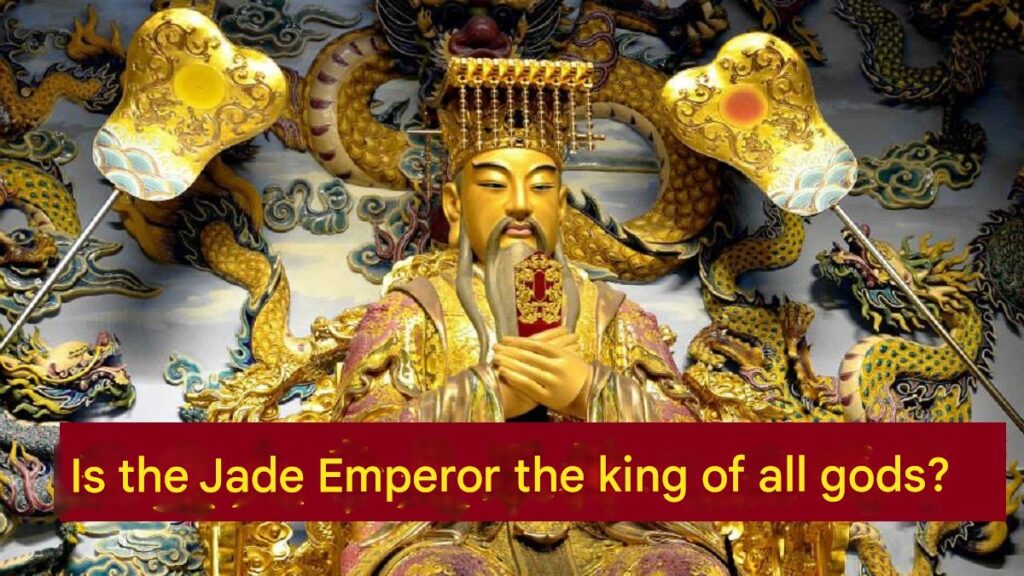
Jade Emperor
,
or Yuhuang Dadi 玉皇大帝, is one of the most important rulers in Chinese religious
imagination. He presides over Heaven in many popular stories and is associated
with the administration of gods, spirits and celestial departments.
His position should be described carefully. In popular religion and depictions
of the heavenly bureaucracy, he may appear as the supreme sovereign of Heaven.
In many formal Taoist arrangements, however, the Three Pure Ones occupy a higher
theological position. These statements are not necessarily contradictory:
cosmic sacred authority and administrative rulership are different ideas.
Below or alongside major rulers are divine officials responsible for blessings,
misfortune, records, lifespan, moral judgment, ritual petitions and particular
regions of Heaven, Earth and the underworld. Their exact relationships vary
according to the religious source being used.
Star, Thunder and Nature Deities
Taoist ritual and cosmology give major importance to celestial patterns and
natural forces. Stars are not merely distant objects; they may be understood
through sacred offices, divine names, ritual powers and connections with human
destiny. Figures associated with the Dippers, the planets and stellar
configurations occupy important places in different traditions.
Wenchang developed through an interaction of star worship, the cult of the
local deity Zhang Yazi, imperial recognition and Taoist interpretation. He is
now widely honored as
Wenchang Wang
,
a deity of literature, learning, examinations and scholarly fortune.
Thunder religion is more complex than a single “thunder god.”
Lei Gong
is a famous personification of thunder in mythology and popular religion, while
Taoist Thunder Rites developed extensive divine administrations and ritual
authorities. The Dragon Kings similarly govern rain, water and regional bodies
of water in traditions shaped by local worship, Taoism, state ritual, literature
and Buddhist influence.
Protective and Martial Deities
Protective deities defend temples, communities, households and ritual space
against harmful spirits, disorder and misfortune. Some are formal Taoist gods;
others are historical or legendary figures whose protective roles developed
through popular worship.
Zhenwu, also known as Xuantian Shangdi, is a major Taoist martial deity connected
with the north, sacred mountains, exorcistic power and imperial patronage.
Zhong Kui
is a shared protective figure known for capturing ghosts and driving away
harmful spirits. Door Gods guard entrances and belong primarily to household
and New Year traditions, although their imagery and functions also interact
with Taoist religious culture.
“Martial” does not simply mean violent. These deities often represent disciplined
authority, the protection of boundaries, the punishment of disorder and the
restoration of moral or ritual balance.
Household and Local Gods
Chinese sacred life is not limited to distant heavenly courts. Household and
local gods connect divine authority with kitchens, doors, land, streets, towns
and family life. Their cults often developed within Chinese popular religion
before being interpreted or incorporated by Taoist ritual systems.
The Kitchen God, Zao Jun, watches over the household and is famous for his
annual report to the heavenly court before the Lunar New Year. City Gods,
or Chenghuang, act as divine magistrates protecting particular cities and
overseeing local spiritual affairs. Earth Gods may guard villages, neighborhoods,
fields or individual pieces of land.
The
Door Gods
protect the threshold of a home, while different regional communities may honor
local heroes, ancestors or officials as protective deities. These figures show
why Chinese religion cannot always be divided into completely separate Taoist
and folk systems.
Taoist Immortals and Perfected Beings
Taoist immortals, or xian 仙, are associated with transcendence,
transformation, spiritual cultivation and extraordinary longevity. Hagiographic
traditions describe immortals as historical, semi-historical or legendary
figures who overcome ordinary human limitations through innate qualities,
divine encounters, disciplined practice or mythic transformation.
The
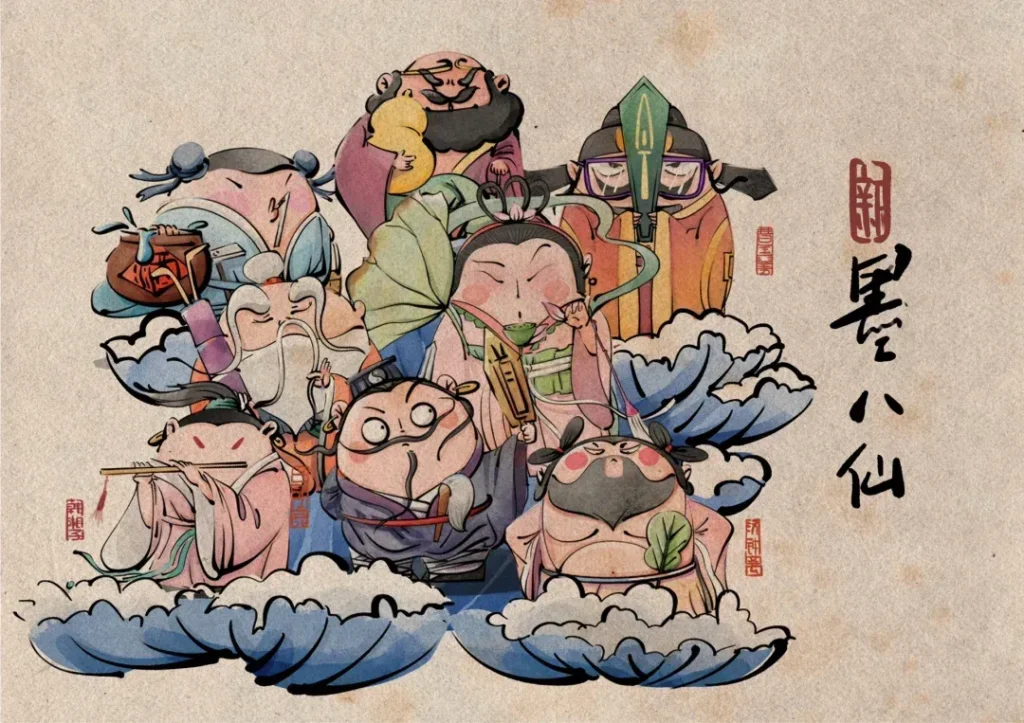
Eight Immortals
are the most familiar group. They include Lü Dongbin, Zhongli Quan, Li Tieguai,
Zhang Guolao, He Xiangu, Han Xiangzi, Lan Caihe and Cao Guojiu. Their legends
combine Taoist ideals with folklore, drama, visual art and popular storytelling.
A perfected being is not automatically identical to a popular immortal. Titles
translated as “Perfected Person” may indicate spiritual realization, sacred
status or membership in a particular scriptural and ritual order. Readers
interested in cultivation traditions can continue with
How to Become Immortal in Taoism
.
popular devotion, literature and regional tradition.
Featured Taoist Deities and Shared Sacred Figures
The following directory includes figures and groups that already have a
relevant MythologyChinese guide. The category column indicates whether the
figure belongs mainly to formal Taoist theology, immortal tradition, popular
religion or a shared religious environment.
| English name | Chinese name | Pinyin | Main role | Category or tradition | Existing internal page |
|---|---|---|---|---|---|
| Three Pure Ones | 三清 | Sānqīng | Supreme sacred triad expressing cosmic and theological dimensions of the Dao | Formal Taoist theology | Read the hierarchy guide |
| Jade Emperor | 玉皇大帝 | Yùhuáng Dàdì | Heavenly ruler and head of the celestial bureaucracy in many traditions | Taoist and popular religious tradition | Who Is the Jade Emperor? |
| Eight Immortals | 八仙 | Bāxiān | Famous group representing transcendence, blessing and varied paths to immortality | Taoist immortal lore and popular culture | Eight Immortals |
| Lü Dongbin | 呂洞賓 | Lǚ Dòngbīn | Immortal, scholar-swordsman and influential figure in cultivation traditions | Taoist immortal and religious master | Explore within the Eight Immortals |
| Lei Gong | 雷公 | Léi Gōng | Personification of thunder and punisher of concealed wrongdoing | Shared mythological, folk and Taoist tradition | Lei Gong |
| Wenchang Wang | 文昌王 | Wénchāng Wáng | Deity of literature, examinations, learning and scholarly destiny | Star cult, local worship and Taoist integration | Wenchang Wang |
| Caishen | 財神 | Cáishén | God or group of gods associated with wealth and prosperity | Primarily folk religion with Taoist forms | Who Is Caishen? |
| Mazu | 媽祖 | Māzǔ | Maritime protector of sailors, fishermen and coastal communities | Regional folk goddess incorporated into wider traditions | Mazu: China’s Sea Goddess |
| Door Gods | 門神 | Ménshén | Guardians placed at entrances to repel harmful spirits and misfortune | Household and New Year folk religion; Taoist interaction | Chinese Door Gods |
| Kitchen God | 灶神 / 灶君 | Zàoshén / Zàojūn | Household guardian associated with the stove and moral reporting | Household folk religion and Taoist divine administration | Kitchen God Zao Shen |
| Dragon Kings | 龍王 | Lóngwáng | Rulers of waters, rain, seas, rivers, springs and aquatic domains | Shared folk, Taoist, Buddhist-influenced and literary tradition | Dragon King |
| Zhong Kui | 鍾馗 | Zhōng Kuí | Demon-queller, ghost catcher and protector of homes | Popular protective figure with Taoist associations | Zhong Kui |
How to Explore This Directory
Beginners can start with the Three Pure Ones and Jade Emperor to understand the
difference between supreme theological authority and heavenly administration.
Continue with Lei Gong and Wenchang to see how natural forces, stars and official
functions become part of the sacred world.
Next, read about the Eight Immortals and Taoist cultivation to understand why
immortals are not simply another rank of gods. Household and shared figures such
as the Kitchen God, Door Gods, Caishen, Mazu and Dragon Kings then show how Taoist
religion interacts with local worship and everyday Chinese religious life.
Understand the Taoist hierarchy
Three Pure Ones, Jade Emperor and celestial administration
Explore Taoist immortality
Xian, cultivation, alchemy and perfected beings
Browse Chinese gods
Wider mythology, folk gods and deified historical figures
Explore Buddhist deities
Bodhisattvas, guardians and Chinese Buddhist traditions
Meet the Jade Emperor
Origins, titles and role as heavenly sovereign
Meet the Eight Immortals
Names, symbols, legends and cultural meaning
Browse the complete article archive below for individual gods, immortals,
protectors, celestial officials and figures shared with Chinese folk religion.
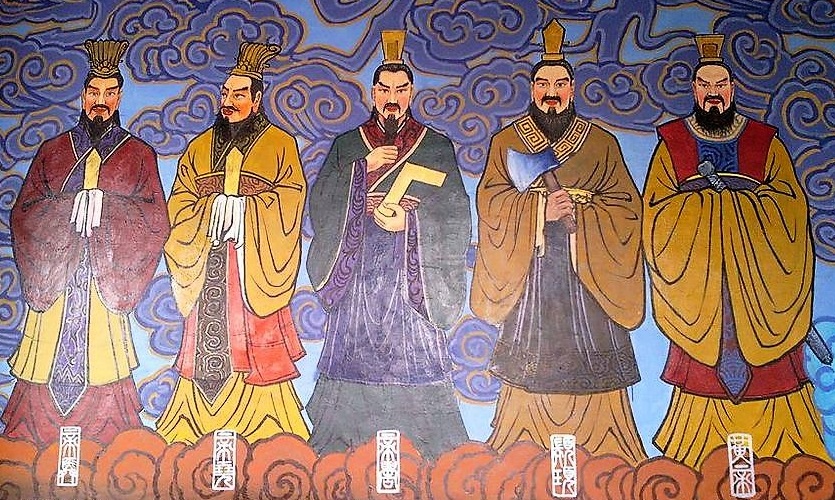
Taoist Deities
Wufang Shangdi: Five Emperors in Chinese Mythology
The Wufang Shangdi are one of the most fascinating divine groups in Chinese mythology. Their name, 五方上帝, is often translated...
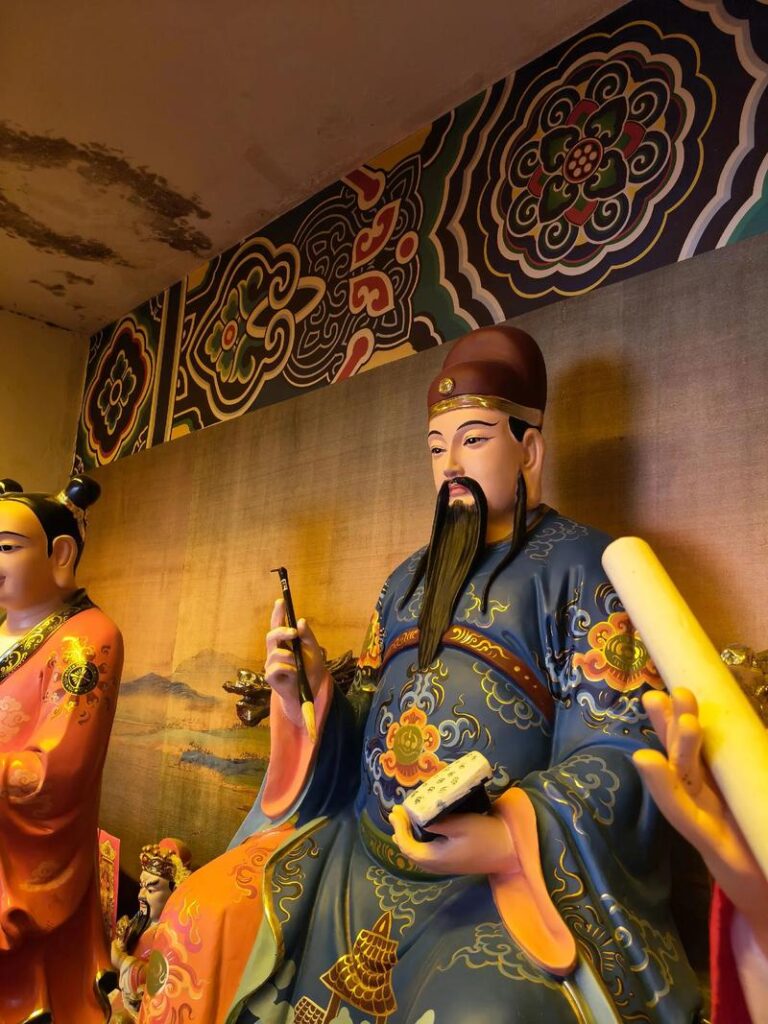
Taoist Deities
Wenchang Wang
In Chinese mythology, Wenchang Wang is one of the most respected deities connected with learning, literature, examinations, official rank, and...
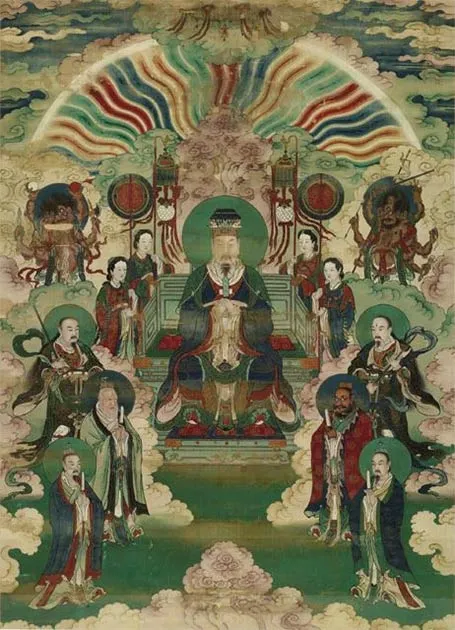
Taoist Deities
Jade Emperor | Yu Huang
The Jade Emperor, also known as Yu Huang or Yu Di, is one of the most important figures in Chinese...
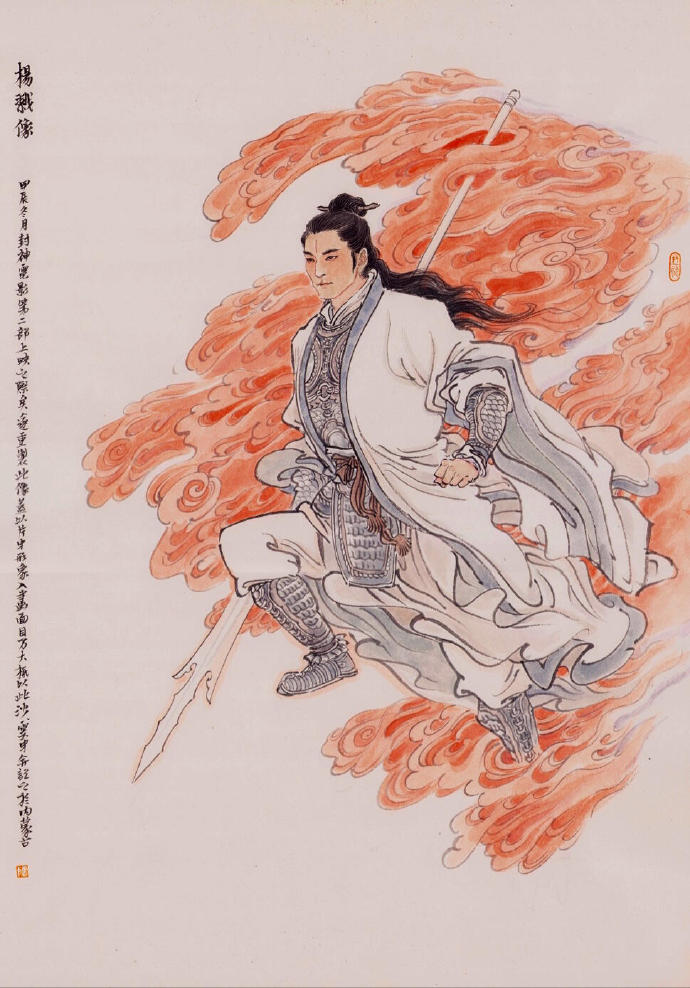
Taoist Deities
erlang shen Yang Jian
If you have ever dipped into Chinese mythology, chances are you have come across Erlang Shen. He is usually easy...
Taoist Deities
Eight Immortals
Chinese Mythology · Daoist Immortals Eight Immortals: Names, Symbols, Powers and Meaning The Eight Immortals, or Ba Xian 八仙, are...
Taoist Deities
Who Is the Jade Emperor? Origins, Legends, and Role in Chinese Mythology
Chinese Gods and Daoist Tradition Who Is the Jade Emperor? The Jade Emperor, known as Yuhuang Dadi 玉皇大帝 or Yu...
Taoist Deities
Chinese God of Wealth Name: Who Is Caishen in Chinese Mythology?
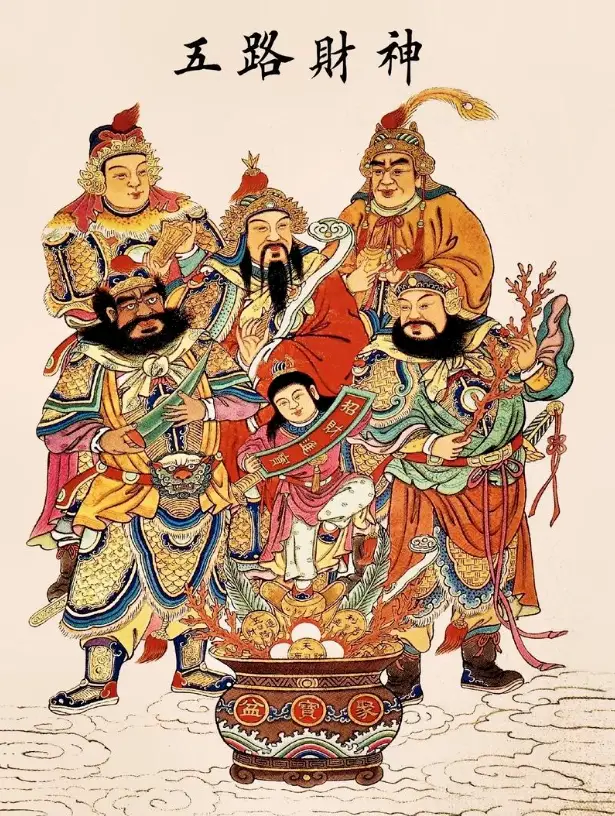
When people search for the Chinese god of wealth name, the answer most commonly given is Caishen. In Chinese culture,...