
Chinese Gods and Daoist Tradition
Who Is the Jade Emperor?
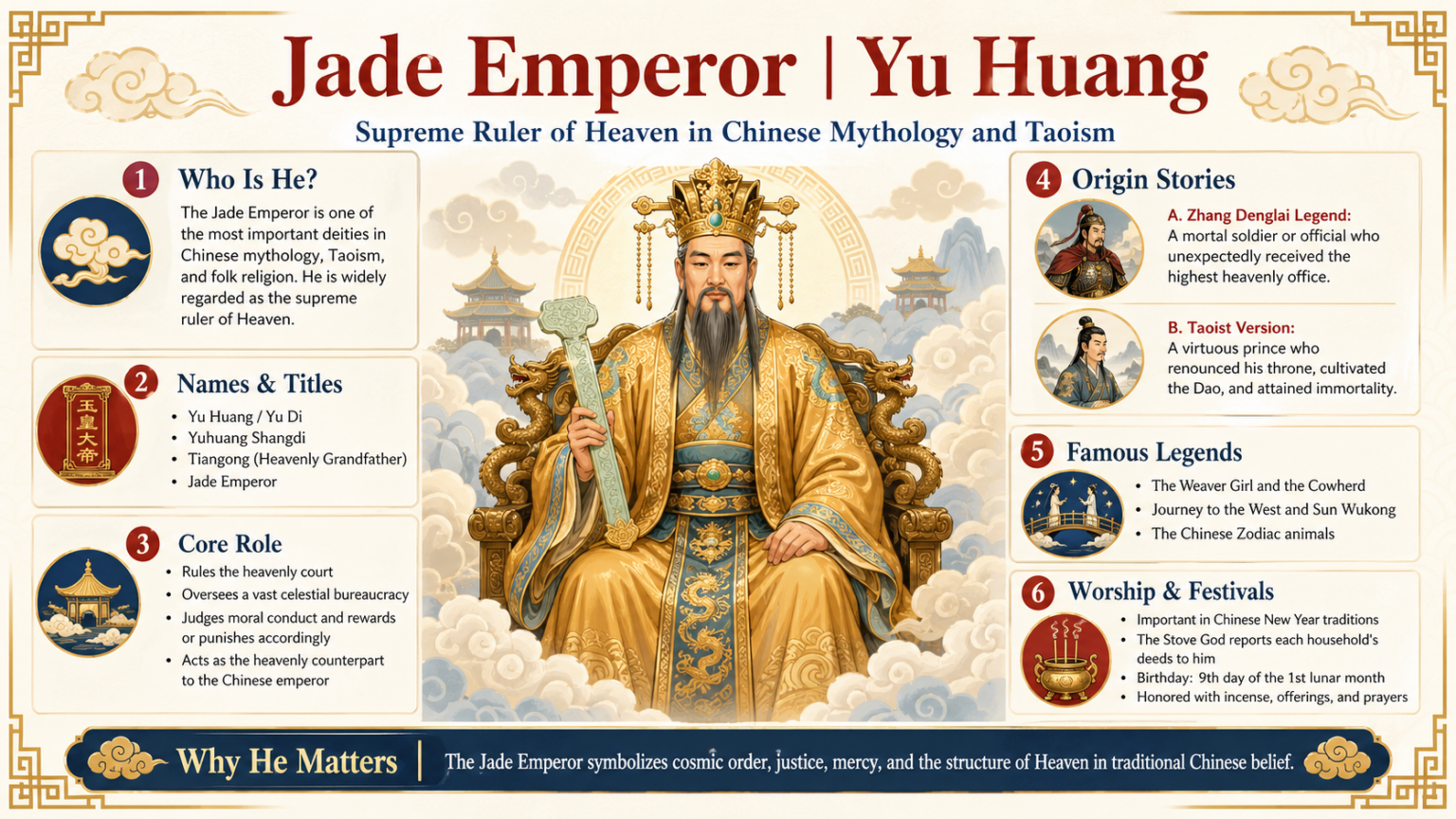
The Jade Emperor, known as Yuhuang Dadi 玉皇大帝 or Yu Huang, is the heavenly sovereign in Chinese popular religion and an important deity in Daoist tradition. He presides over a celestial administration of gods and spirits, but he is not simply identical to the older Shangdi, and formal Daoist traditions may place the Three Pure Ones at a higher theological level.
Who Is the Jade Emperor?
In the most familiar religious picture, the Jade Emperor is the Chinese ruler of Heaven. He governs rather than creates the universe in a single creation event. His authority is imagined through the language of emperors, ministries, officials, reports, promotions, punishments and petitions. This makes him the apex of the celestial bureaucracy in much of Chinese popular religion.
Calling him the “highest god in Chinese mythology” is convenient but incomplete. Chinese religious traditions were never governed by one universal creed or one permanently fixed pantheon. A village temple, a household rite, a Daoist liturgy and a Ming novel can arrange the sacred world differently. The Jade Emperor is therefore best understood as the supreme heavenly administrator in popular religion and a major Daoist deity, not as the uncontested creator-god of every Chinese tradition.
Jade Emperor Names and Titles
Yùhuáng 玉皇 means “Jade Sovereign” or “Jade Emperor.” Yùhuáng Dàdì 玉皇大帝 adds the exalted title Dàdì, meaning “Great Emperor.” Yùhuáng Shàngdì 玉皇上帝 uses Shàngdì, “Sovereign on High,” while Yùdì 玉帝 is a shorter form. In many southern Chinese communities he is also called Tiāngōng 天公, meaning “Lord of Heaven” or, more affectionately, “Heavenly Grandfather.”
“Jade” does not mean that the deity is literally made of the mineral. In Chinese ritual and literary culture, jade could evoke refinement, purity, preciousness and elevated rank. The title presents him as a perfected and august sovereign.
What Does the Jade Emperor Rule?
The Jade Emperor’s domain is the ordered heavenly world and its relationship with human society. Stories and rituals may place weather gods, local gods, household gods, star deities, officials of fate and other spirits within an administration that ultimately answers to Heaven. The precise chain of command varies by region and source.
This framework helps explain links between the Jade Emperor and deities such as Lei Gong, the thunder god, or the protective Men Shen, the Door Gods. They have their own identities and traditions of worship, but popular religious imagination can also place them within a larger celestial order.
The Celestial Bureaucracy
The heavenly bureaucracy mirrors features of imperial government without being a simple copy of any single historical dynasty. Gods may hold titles, receive memorials, keep moral records, investigate local affairs or be promoted and demoted. Worshippers can address petitions to divine officials through incense, written documents and ritual specialists.
The Stove God offers a familiar household example. In New Year traditions, he is said to report a family’s conduct to the heavenly court. The story makes cosmic government personal: actions inside an ordinary kitchen can become part of Heaven’s moral record. Such accounts belong to popular religion and seasonal custom rather than to one binding Daoist doctrine.
Jade Emperor and the Three Pure Ones
Is the Jade Emperor higher than the Three Pure Ones? In many formal Daoist theological arrangements, no. The Three Pure Ones represent the highest sacred or cosmological level and are placed above the Jade Emperor. The Jade Emperor governs the administered cosmos, while the Three Pure Ones express more primordial dimensions of the Dao.
This is a difference between theological rank and governmental function. A deity can direct heavenly offices without being the ultimate metaphysical source. For a broader map of these distinctions, see the guides to Daoist deities and the Daoist gods hierarchy.
Jade Emperor vs Shangdi and Heaven
The Jade Emperor is not simply another spelling of Shangdi. Shangdi 上帝 appears in much older religious and political contexts, especially in early traditions connected with royal ancestry, sacrifice and supreme authority. Tian 天, meaning “Heaven,” could refer to the sky, a moral-cosmic order or the authority that legitimized rule. Haotian 昊天, “Vast Heaven,” and Haotian Shangdi were also important ritual titles.
Later religious history encouraged identification and overlap. Titles, functions and attributes could be transferred or combined, and worshippers might treat Yuhuang Shangdi as the personal sovereign of the same Heaven invoked by older names. Yet historical development is not the same as original identity. Shangdi, Tian, Haotian and the Jade Emperor should be compared as related but distinct layers of Chinese religious history.
Key distinction: Shangdi and Tian are attested in traditions older than the mature cult of the Jade Emperor. Later theology and popular worship could connect them, but no single equation explains every text, ritual or community.
How Jade Emperor Worship Developed
The Jade Emperor’s prominence developed gradually. Earlier Chinese religion already possessed concepts of a supreme Heaven, while medieval Daoist movements created complex revelations, liturgies and divine hierarchies. The figure of Yuhuang became increasingly visible within this changing sacred world and received major recognition under imperial patronage, especially during the Song dynasty.
His success came from his ability to join several forms of authority. He could be addressed in Daoist ritual, imagined as an emperor by popular worshippers, linked with older Heaven worship and used as the head of a dramatic celestial court in literature. The result was not a perfectly unified doctrine but a durable religious role.
Origin Stories and the Surname Zhang
Was the Jade Emperor originally a man surnamed Zhang? Some later legends say so, but the claim is not established history and is not required Daoist belief. Names such as Zhang Youren or Zhang Denglai appear in folk retellings that explain how a clever, virtuous or fortunate mortal reached Heaven’s highest office.
A different religious narrative presents him as a miraculous prince who renounces worldly rule, cultivates the Dao over immense ages and attains heavenly sovereignty through virtue. These stories should not be combined into one biography. They perform different functions: one humanizes the celestial ruler through humor, while another portrays authority as the result of spiritual perfection.
The Jade Emperor in Folk Legends
Folk tales often make the Jade Emperor a judge, father, patron or distant ruler whose decrees set a story in motion. These narratives vary across regions and periods. A character described as his daughter in one version may be attached to another heavenly family in a different version.
This flexibility is normal in Chinese mythology. Popular religion, temple tradition, oral storytelling, opera and printed fiction continually influenced one another. A useful account should therefore identify the type of source instead of presenting every tale as official theology.
Jade Emperor and Sun Wukong
The famous conflict with Sun Wukong belongs above all to the sixteenth-century novel Journey to the West and its theatrical and storytelling background. In the novel, Heaven attempts to manage the Monkey King by granting him offices. He is first made Keeper of the Heavenly Horses and later receives the title “Great Sage Equal to Heaven,” but he rebels when status, recognition and access to celestial privileges fail to satisfy him.
The Jade Emperor represents the administrative authority challenged by Sun Wukong. He summons celestial forces and seeks assistance, while the Buddha ultimately subdues the Monkey King. This literary episode is enormously influential, but it should not be treated as a transcript of Daoist ritual doctrine or as proof that the Jade Emperor is weak. The novel uses comedy, satire, religion and adventure to create its own heavenly politics.
Jade Emperor and the Chinese Zodiac
A popular zodiac story says the Jade Emperor summoned animals to a race or heavenly audience and used their arrival order to establish the twelve zodiac signs. Some versions include a river crossing; others focus on a banquet, registration or selection. The Rat’s trickery and the Cat’s exclusion also vary.
This is not the single historical origin of the Chinese zodiac. The twelve-animal cycle is older than many familiar race narratives, and surviving traditions do not provide one canonical contest supervised by the Jade Emperor. The story is best presented as a later explanatory folktale that gives memorable personalities to an established calendrical system.
Jade Emperor’s Family in Different Traditions
Does the Jade Emperor have a wife? The Queen Mother of the West, Xiwangmu, is often paired with him in modern summaries and some later popular traditions, but she is an ancient and independent goddess with her own history. She should not automatically be reduced to “the Jade Emperor’s wife.”
Does he have daughters? Many stories give him one or more heavenly daughters, but there is no universally fixed family tree or agreed number. The Weaver Girl, Zhinü, may be called his daughter, granddaughter or a celestial weaving maiden depending on the version. The Seven Fairies also appear in traditions that are not identical to the Cowherd and Weaver Girl story. Family claims must therefore be attributed to particular legends.
Birthday and Traditional Worship
The most widely observed birthday of the Jade Emperor falls on the ninth day of the first lunar month. Known in some communities as Tiangong’s birthday, it is especially prominent in Taiwan, Fujian-linked traditions and parts of the Chinese diaspora. Worship may begin late on the eighth night and continue after midnight.
Practices differ, but commonly include incense, lamps, tea, fruit, vegetarian dishes, cakes, paper offerings and formal bows. Some households arrange elevated offering tables to show respect for the ruler of Heaven. The lunar date moves on the Gregorian calendar each year, so it should not be converted into one permanent January or February date.
Appearance, Robes and Symbols
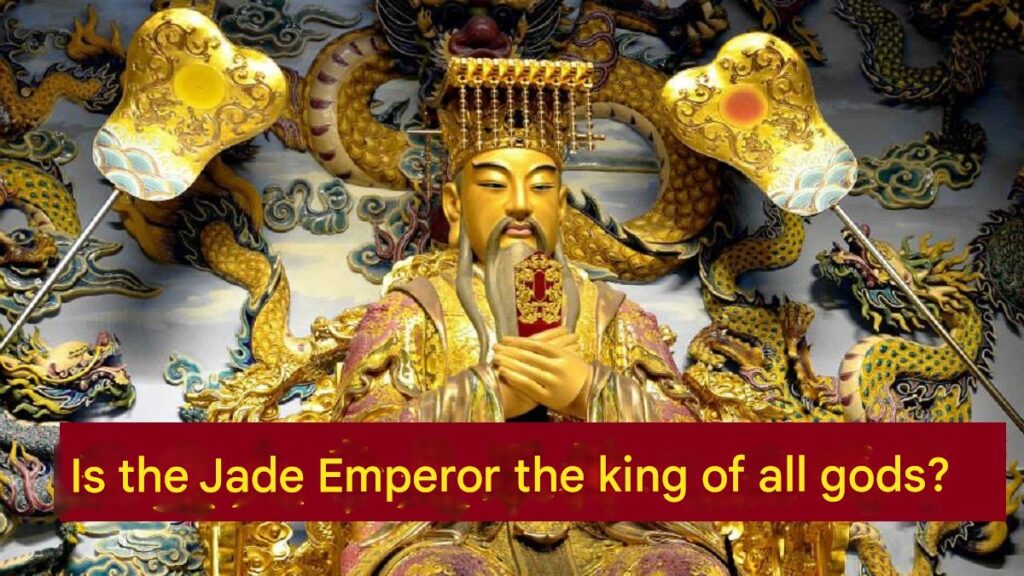
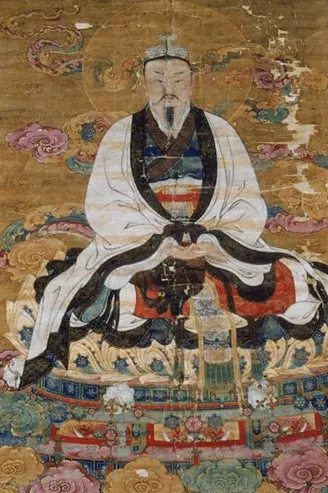
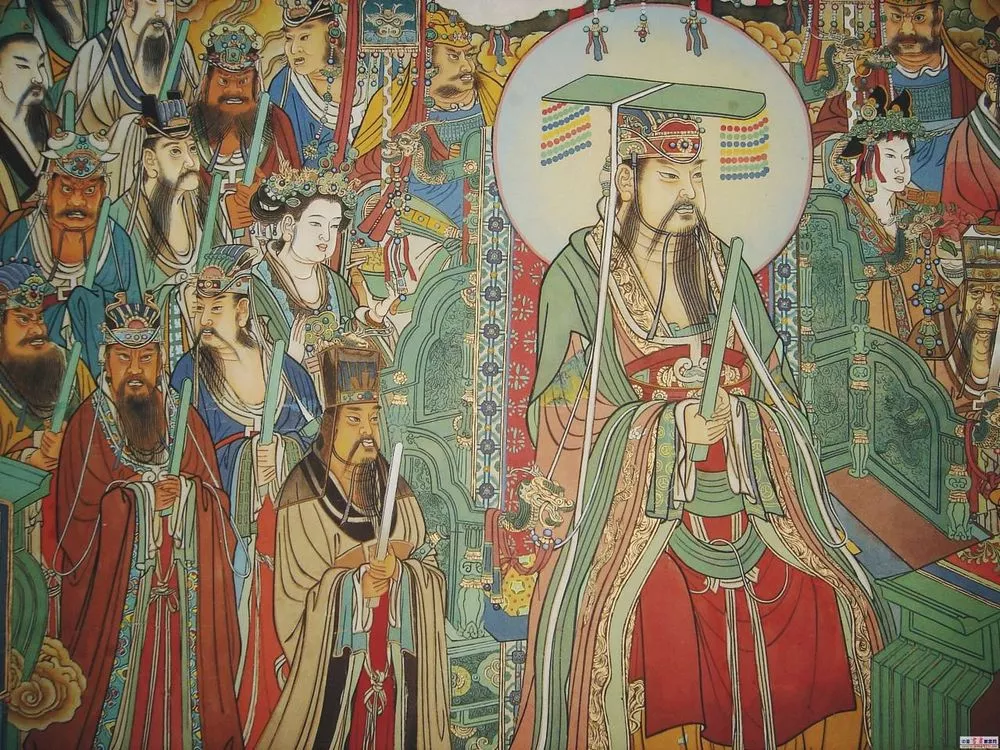
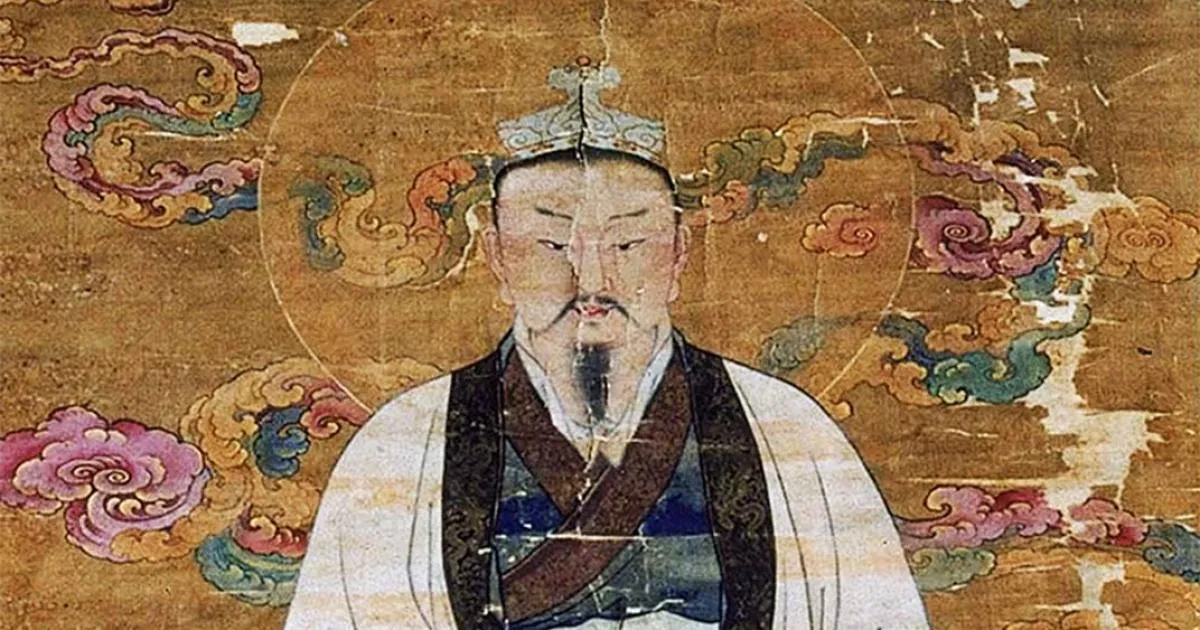
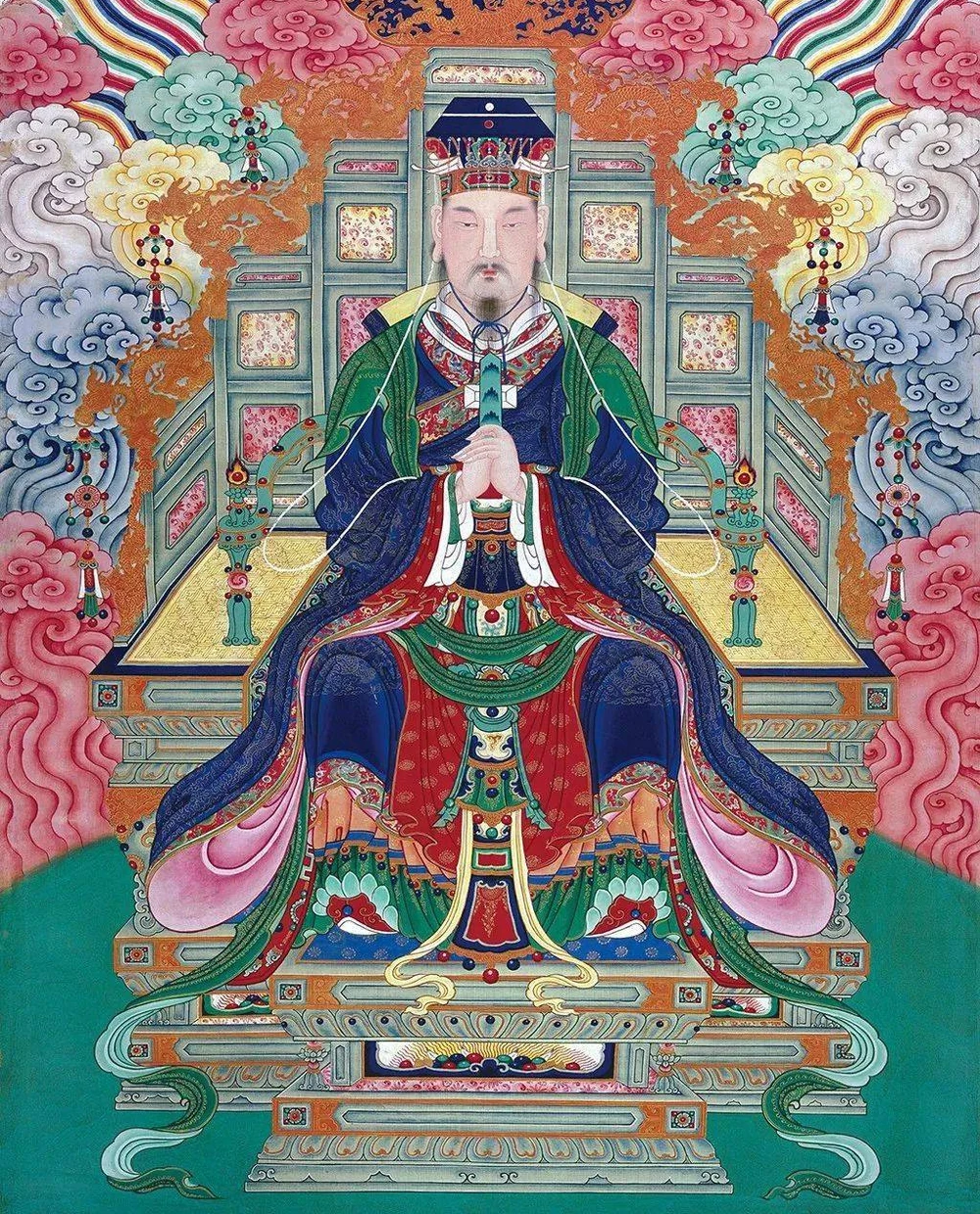
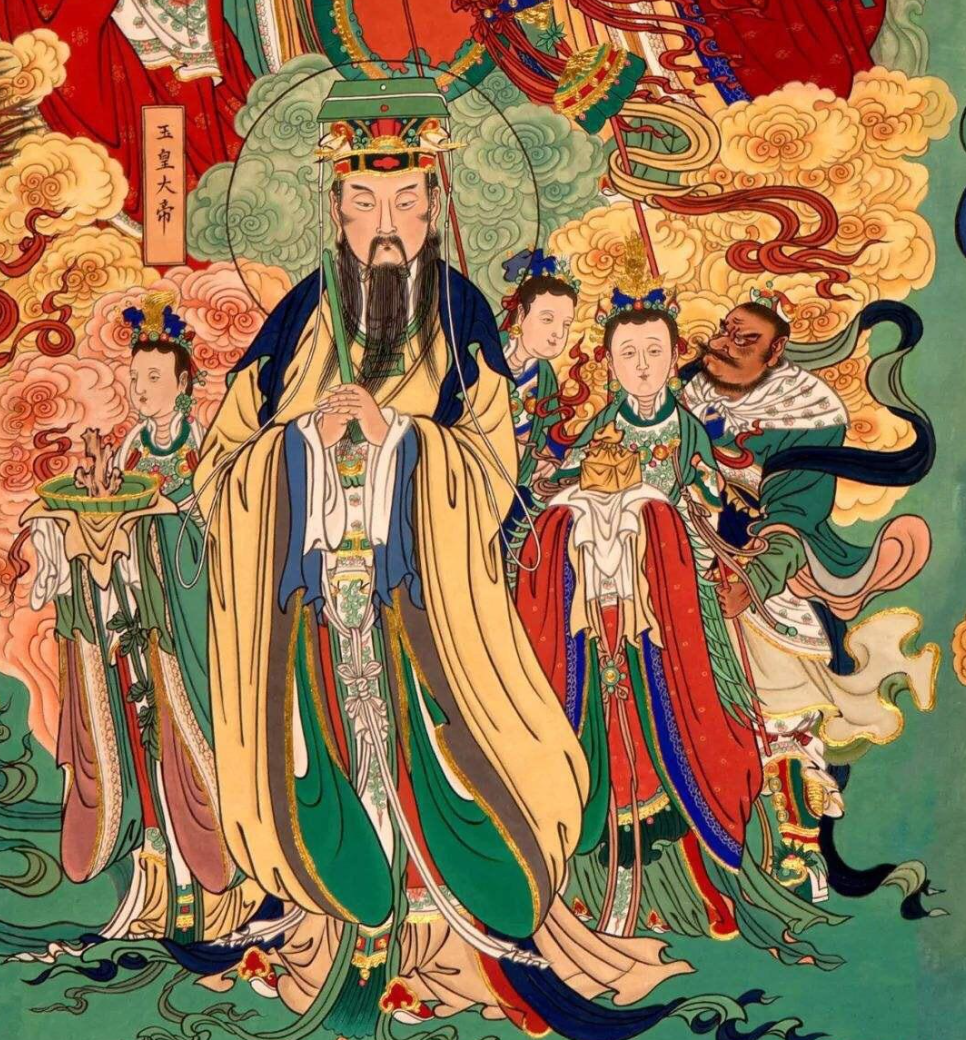
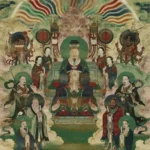
The Jade Emperor is usually shown as a mature sovereign with a composed expression, formal beard, elaborate crown and richly patterned robes. He may sit frontally on a throne, hold a ceremonial court tablet or appear with attendants. Clouds, palace architecture, screens and ranks of officials reinforce his heavenly status.
His visual language emphasizes legitimate rule rather than raw physical force. Not every image uses the same crown, color or object, and modern entertainment designs should not be mistaken for fixed religious iconography. Museum objects, temple statues and ritual paintings are better evidence for traditional representation.
FAQ
Is the Jade Emperor a Taoist god?
Yes. He is an important deity in Daoist ritual and theology, but his worship also extends through Chinese popular religion beyond narrowly defined Daoist institutions.
Is the Jade Emperor the highest god?
He is often the highest ruler of Heaven in popular religion. In many formal Daoist hierarchies, however, the Three Pure Ones occupy a higher theological level.
Is the Jade Emperor the same as Shangdi?
Not strictly. Shangdi is an older high-deity concept. Later traditions sometimes identified or connected Shangdi with the Jade Emperor, but their historical origins and uses are not identical.
Why is he called Yu Huang or Yuhuang Dadi?
Yu Huang means “Jade Sovereign” or “Jade Emperor.” Yuhuang Dadi is a more exalted title meaning the Great Jade Emperor.
Was the Jade Emperor’s surname Zhang?
Zhang is found in later folk stories, not in one universally authoritative biography. It should be presented as folklore rather than certain history.
When is the Jade Emperor’s birthday?
It is commonly celebrated on the ninth day of the first lunar month, with regional forms of worship beginning on the preceding night.
Did the Jade Emperor create the Chinese zodiac?
He organizes the animals in popular race and selection tales, but these are not the only origin stories, and the zodiac system predates many familiar narrative versions.
Is the Queen Mother of the West his wife?
Some later depictions pair them, but Xiwangmu is an independent ancient goddess. Their relationship is not defined the same way in every tradition.
How many daughters does the Jade Emperor have?
There is no fixed number accepted across Chinese traditions. Different legends describe different daughters, celestial maidens and family relationships.
So dive in, have fun
无话可说,只是看看