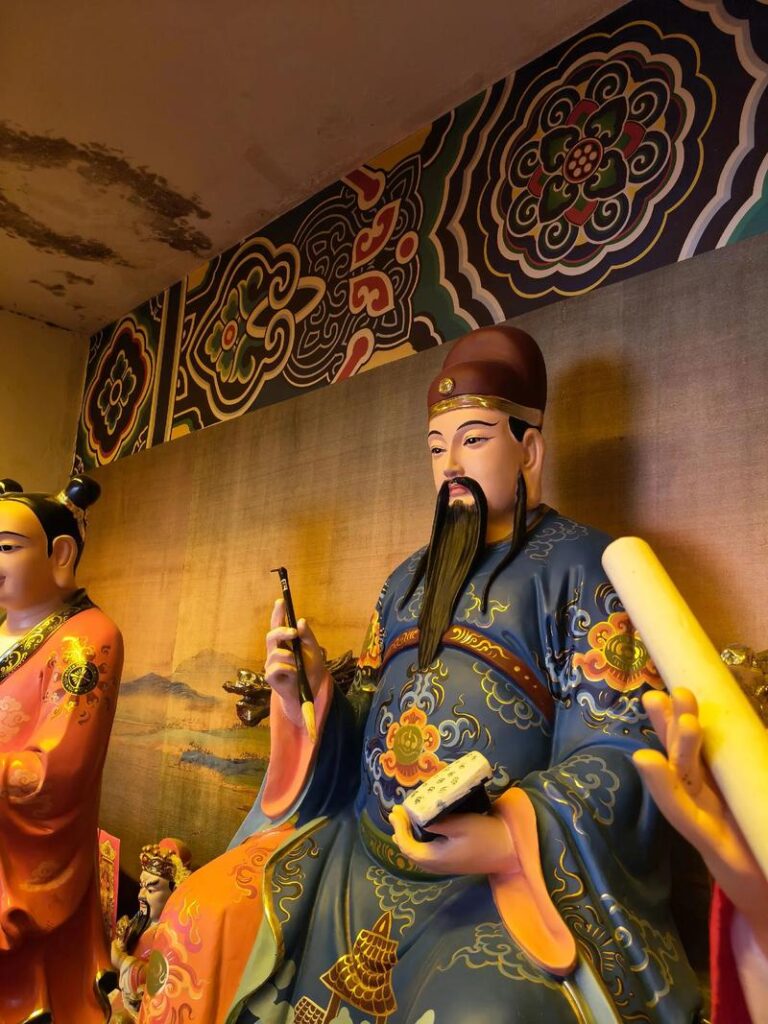
In Chinese mythology, Wenchang Wang is one of the most respected deities connected with learning, literature, examinations, official rank, and moral cultivation. For centuries, students, scholars, writers, civil servants, and families have turned to him for wisdom, clarity, and good fortune in academic or professional life.
He is often known as Wenchang Dijun or Emperor Wenchang, and in Taoist tradition he is also closely associated with Zitong Dijun, the deity of Zitong in Sichuan. While many people think of him mainly as the “god of exams,” his meaning is much deeper. Wenchang Wang represents the ideal union of intelligence, virtue, discipline, filial piety, public service, and cosmic justice.
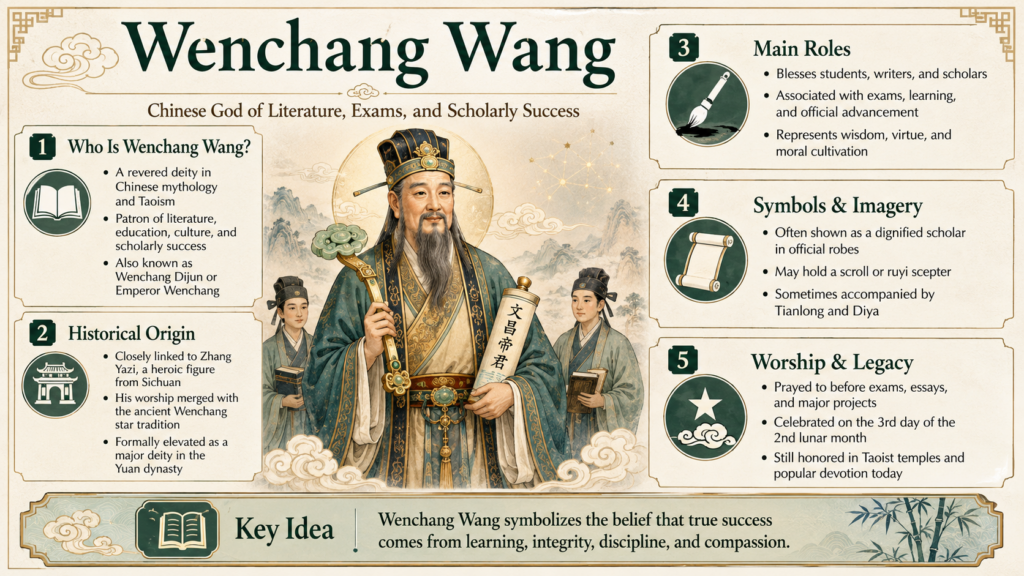
For anyone interested in Chinese mythology, Taoism, or traditional education culture, Wenchang Wang offers a fascinating window into how ancient China understood success—not simply as talent, but as a balance of learning, character, destiny, and moral responsibility.
Who Is Wenchang Wang?
Wenchang Wang is traditionally revered as the deity of literature, culture, academic achievement, official promotion, and scholarly destiny. His name is made of three Chinese characters:
Wen 文 means literature, writing, culture, or refined learning.
Chang 昌 means flourishing, prosperous, or bright.
Wang 王 means king.
So, the name Wenchang Wang can be understood as “King of Flourishing Culture” or “Lord of Prosperous Learning.”
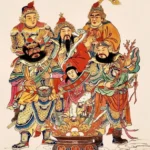
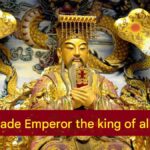
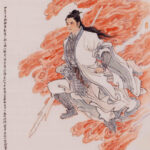
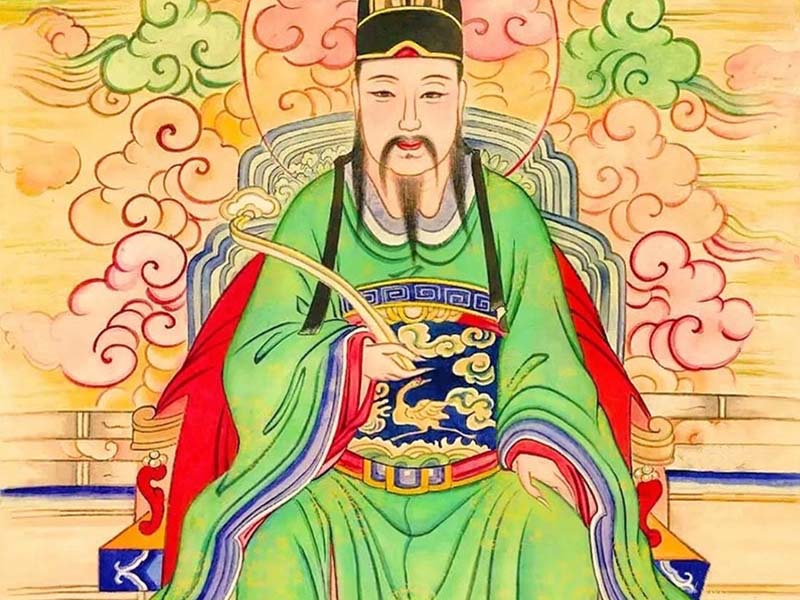
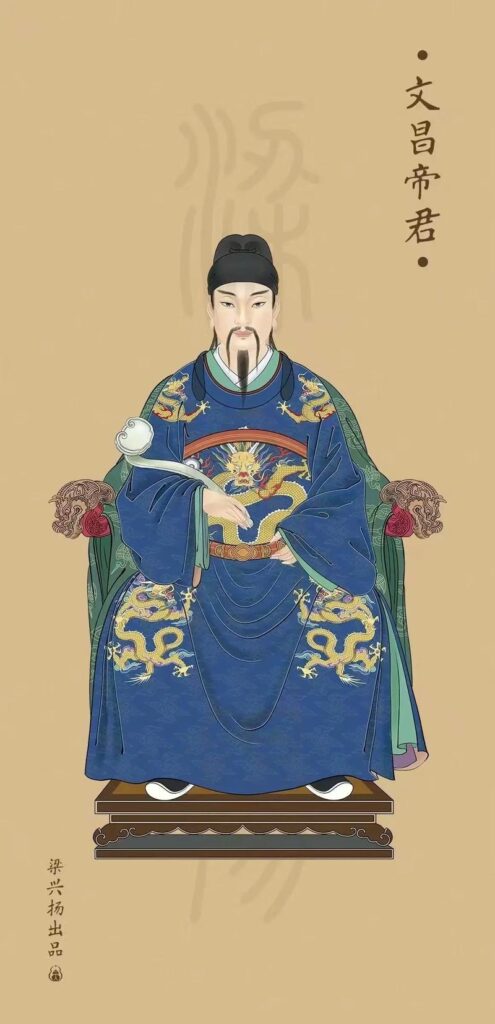
In temples and popular imagery, Wenchang Wang is usually shown as a dignified, kindly scholar-official. He may be seated upright, holding a scroll or a ruyi scepter, symbolizing wisdom, authority, and benevolent power. He is often accompanied by two attendants, traditionally known as Tianlong and Diya, who represent secrecy, fairness, and integrity in examinations.
To students preparing for exams, Wenchang Wang is a source of hope. To writers and scholars, he is a patron of inspiration. To officials and professionals, he represents merit, promotion, and honorable service.
The Origin of Wenchang Wang and Zhang Yazi
The historical figure most closely connected with Wenchang Wang is Zhang Yazi. According to tradition, Zhang Yazi was associated with Zitong in Sichuan and became venerated after his heroic death.
Before Wenchang became a fully personified deity, “Wenchang” was originally connected with the stars. In early Chinese cosmology, Wenchang was related to a celestial formation associated with culture and literary fortune. Over time, the star symbolism merged with the worship of Zhang Yazi, and the figure known as Wenchang Dijun became a major deity of learning and official success.
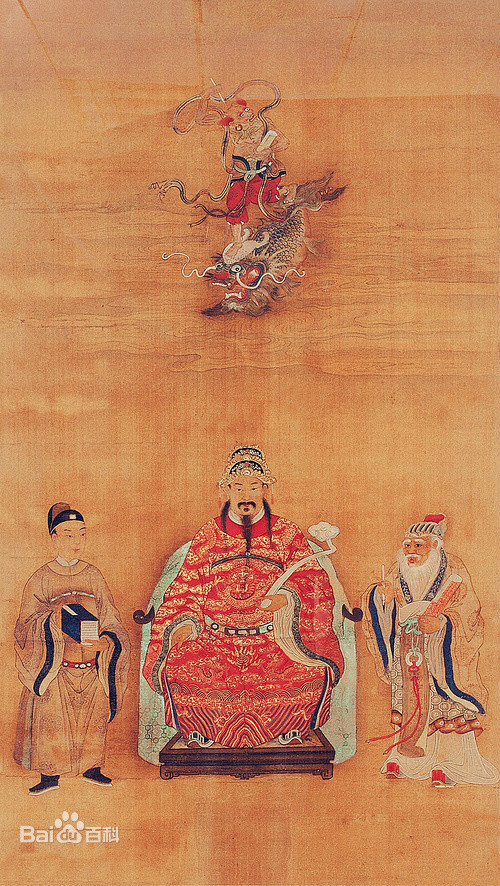
The transformation did not happen all at once. Zhang Yazi’s cult grew through local worship, imperial recognition, and Taoist interpretation. Tang and Song dynasty emperors honored him with titles, and by the Yuan dynasty he was formally elevated as a deity associated with Wenchang. This fusion of star worship, local hero worship, and Taoist theology created the Wenchang Wang known today.
This layered origin is part of what makes him so important. He is not only a god of books and exams. He is also a heroic figure, a moral exemplar, a protector of the people, and a divine official within the Taoist cosmos.
Wenchang Wang as the God of Literature and Exams
The most famous role of Wenchang Wang is his connection with education and examinations. In traditional China, success in the imperial examination system could transform a family’s future. Passing the exams could open the path to government service, social honor, and long-term prosperity.
Because of this, Wenchang Wang became deeply important to students and families. People prayed to him for:
- Clear thinking
- Strong memory
- Literary talent
- Exam success
- Academic confidence
- Official promotion
- Career advancement
Even today, students may visit Wenchang temples before major exams. Parents may pray for their children’s studies. Writers and professionals may ask for inspiration, discipline, and clarity.
But Wenchang Wang’s blessings are not meant to replace effort. In traditional belief, he favors those who combine study with virtue. The deeper message is that knowledge should be joined with moral conduct.
Why Wenchang Wang Matters Beyond Studying
Although Wenchang Wang is best known as the patron of scholars, his influence reaches beyond school and examinations. In Taoist belief, he is also connected with moral cultivation, social harmony, career fortune, and the transformation of misfortune.
This broader role comes from the idea that learning is not merely technical skill. A truly cultivated person should speak well, act fairly, respect others, serve society, and accumulate hidden virtue.
That is why Wenchang Wang is also associated with:
- Ethical behavior
- Filial piety
- Compassion
- Public service
- Communication ability
- Personal refinement
- Career development
- Protection from calamities
In this sense, Wenchang Wang is not simply a deity for students. He is a symbol of cultured life itself.
Wenchang Wang and Filial Piety
One of the most moving parts of Wenchang Wang’s mythology is his connection with filial devotion. Traditional stories describe Zhang Yazi as a deeply compassionate and filial figure. In one account, when his mother was gravely ill, he showed extraordinary devotion in caring for her.
This theme became central to his religious image. Texts associated with Wenchang emphasize that filial piety is the root of virtue. The idea is simple but powerful: a person who learns to respect and care for their family can extend that compassion outward—to society, to strangers, and ultimately to all living beings.
This is why Wenchang Wang is not only a god of cleverness. He is a god of righteous learning. Intelligence without virtue is incomplete. Scholarship without compassion is empty.
The Two Attendants Beside Wenchang Wang: Tianlong and Diya
Many images of Wenchang Wang show two attendants standing beside him. They are commonly known as:
Tianlong 天聋 — the Heavenly Deaf One
Diya 地哑 — the Earthly Mute One
At first, these names may sound strange. But their symbolism is meaningful. In the context of examinations and fate, divine secrets must not be carelessly revealed. Tianlong “does not hear” secrets that should not be heard, and Diya “does not speak” what should not be spoken.
They represent fairness, confidentiality, and the protection of sacred order. Since Wenchang Wang governs scholarly success, official rank, and literary destiny, his attendants help guard the integrity of that process.
In Taoist temples, Tianlong and Diya may be shown holding scholarly objects, registers, seals, or symbols of authority. Together with Wenchang Wang, they form an image of wisdom governed by discipline and secrecy.
Wenchang Wang in Taoism
In Taoism, Wenchang Wang holds a much larger cosmic role. He is honored under several sacred titles and is connected with divine administration across heaven, earth, and the underworld.
His responsibilities may include overseeing scholarly fortune, official rank, moral judgment, human lifespan, calamity, rebirth, and spiritual transformation. This is why some Taoist traditions describe him not only as a literary deity but also as a divine being with authority over karmic order and salvation.
A Taoist view of Wenchang Wang often includes three major functions:
1. Teaching and Moral Guidance
He guides people through scripture, learning, and ethical cultivation.
2. Official Rank and Career Fortune
He governs honors, promotions, examinations, and social achievement.
3. Dispelling Calamities
He helps transform misfortune, encourages repentance, and supports spiritual renewal.
This makes Wenchang Wang a bridge between human aspiration and divine order. People pray to him for success, but also for guidance in becoming worthy of success.
Wenchang Wang and Career Success
In modern life, the meaning of Wenchang Wang can extend naturally from imperial exams to professional achievement. In the past, exams were the gateway to official careers. Today, people may think of Wenchang Wang in relation to school, civil service, business, writing, teaching, engineering, finance, art, and other knowledge-based professions.
His blessings are often associated with:
- Career breakthroughs
- Better communication
- Workplace harmony
- Promotion opportunities
- Professional reputation
- Wise decision-making
- Stronger concentration
This is why some people venerate Wenchang Wang not only before exams, but also when facing interviews, major projects, career changes, or important writing tasks.
The underlying idea is that success depends on more than luck. It also depends on clarity, character, timing, and the ability to work well with others.
Wenchang Wang, Relationships, and Communication
A lesser-known belief connects Wenchang Wang with communication and personal charisma. Since he governs culture, expression, refinement, and intelligence, his influence may also be linked with how well a person speaks, listens, writes, and relates to others.
In this view, Wenchang energy affects:
- Emotional intelligence
- Social grace
- Persuasive speech
- Conflict resolution
- Personal charm
- Harmonious relationships
This does not mean Wenchang Wang is a love deity in the same way as Yue Lao, the Matchmaker God. Rather, he represents the inner refinement that can support healthier relationships. Good communication, patience, and emotional balance often come before romantic harmony.
So, in a broader cultural sense, Wenchang Wang teaches that learning should improve the whole person—not only the mind, but also one’s speech, manners, and relationships.
Is Wenchang Wang the Same as the Wenqu Star?
No, Wenchang Wang is not the same as the Wenqu Star, although the two are sometimes confused.
The confusion is understandable because both names are related to literature, culture, and scholarly fortune. However, they belong to different parts of Chinese cosmology.
Wenqu Star is one of the stars of the Northern Dipper and is associated with literary talent, destiny, and intellectual refinement.
Wenchang Wang, by contrast, is a deity connected with the Wenchang star formation, Zhang Yazi, Taoist worship, academic success, moral governance, and divine administration.
In simple terms:
Wenqu Star is a star deity or celestial influence.
Wenchang Wang is a fully developed deity with a broader religious and mythological role.
Both are connected with learning, but they are not the same being.
How People Worship Wenchang Wang
Wenchang Wang is worshiped in Taoist temples, local shrines, and dedicated Wenchang halls. Students and families may visit his temple before important exams. Professionals may pray for career luck, clarity, and promotion.
Common devotional practices may include:
- Offering incense
- Bowing before his statue
- Reciting prayers or hymns
- Reading Wenchang-related scriptures
- Placing a Wenchang statue or talisman
- Visiting a Wenchang temple before exams
- Praying on his birthday, the third day of the second lunar month
Some traditions also associate Wenchang worship with Wenchang pagodas, which were built to enhance a region’s literary fortune and scholarly success.
As with many forms of Chinese popular religion, worship can be both personal and communal. A student may pray for exam confidence, while a family may pray for the education and future of their children.
Wenchang Wang’s Birthday
Wenchang Wang’s birthday is traditionally celebrated on the third day of the second month of the Chinese lunar calendar.
On this day, worshipers may visit temples, offer incense, recite prayers, and ask for blessings related to learning, wisdom, career, and family fortune. For students, this date is especially meaningful. It is a time to seek clarity and encouragement before academic challenges.
Why Wenchang Wang Still Feels Relevant Today
Modern students may no longer sit for imperial examinations, but the pressures of learning, competition, and career success remain very real. Exams, applications, interviews, certifications, writing deadlines, and professional evaluations still shape people’s lives.
This is one reason Wenchang Wang continues to matter. He speaks to a universal human hope: the desire to use knowledge well, to be recognized fairly, and to move forward with dignity.
But his mythology also adds an important reminder. Success should not be separated from virtue. The best kind of learning is not only sharp-minded, but also compassionate, disciplined, and useful to others.
That is the lasting power of Wenchang Wang. He is not only the god of passing exams. He is the guardian of meaningful achievement.