Chinese Zodiac
Why Is the Dragon in the Chinese Zodiac?
Why is the dragon in the Chinese zodiac when the other signs are recognizable animals? The zodiac was not designed as a scientific list of animal species. It is a traditional calendar system in which twelve animal symbols are connected with the Twelve Earthly Branches. The Dragon is paired with the fifth branch, called Chen. No surviving ancient source gives one certain explanation for why every animal was selected, but the dragon was already an important Chinese symbol of rain, water, authority, vitality, and good fortune. The popular story in which it finishes fifth in the Jade Emperor’s race is a later legend that explains an order already established in the calendar.
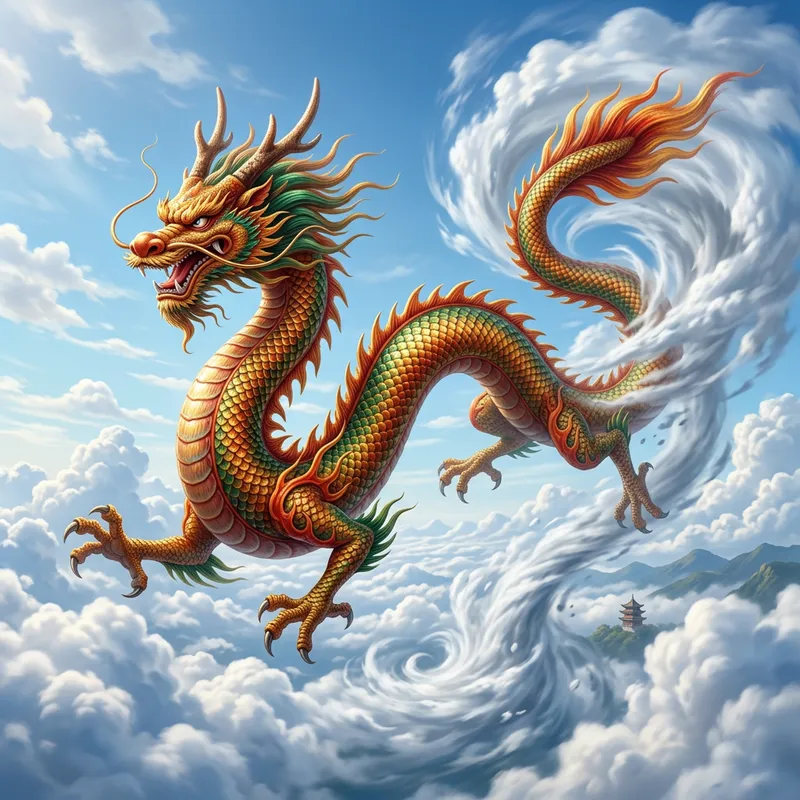
The direct answer: the Dragon belongs in the Chinese zodiac because the zodiac combines ancient timekeeping with culturally meaningful animal symbols. Its fifth position comes from its association with the fifth Earthly Branch. Its importance comes from the wider Chinese dragon tradition, especially connections with rainfall, water, power, and good fortune.
Quick Facts About the Zodiac Dragon
| Question | Answer |
|---|---|
| Position in the zodiac | Fifth, after the Rabbit and before the Snake |
| Earthly Branch | Chen, the fifth of the Twelve Earthly Branches |
| Is the Dragon a real animal? | It is a mythological and symbolic creature rather than a zoological species |
| Main traditional associations | Rain, water, vitality, authority, transformation, and good fortune |
| Why is the Dragon fifth? | Historically, it is paired with the fifth Earthly Branch; legends explain the position through the Great Race |
| Is it the Dragon King? | No. The zodiac Dragon is a general animal symbol, not one specific deity |
The Chinese Zodiac Began as a System of Timekeeping
The Chinese zodiac is a repeating cycle of twelve animal signs: Rat, Ox, Tiger, Rabbit, Dragon, Snake, Horse, Goat, Monkey, Rooster, Dog, and Pig. Each animal is associated with one year in the cycle.
These animals are connected with an older system called the Twelve Earthly Branches. The branches were used to organize years and other units of time. The Dragon corresponds to the fifth branch, Chen.
The Twelve Earthly Branches also combine with the Ten Heavenly Stems to create a sixty-part cycle. Museum evidence shows that the standard order of the twelve zodiac animals was firmly established by the Eastern Han period.
The historical evidence does not identify one person who invented the animal sequence. It also does not preserve one clear explanation for every pairing. The zodiac appears to have developed gradually as an older calendrical system became connected with memorable animal symbols.
This is important because the Dragon was not added to a modern list of biological animals. It became part of a cultural system that joined time, symbolism, folklore, and astrology.
Why Was a Mythical Dragon Included?
The Dragon may appear unusual to modern readers because it is the only clearly mythological creature in the standard zodiac sequence. In traditional Chinese culture, however, dragons were familiar and meaningful figures.
They appeared in art, legends, religious traditions, political symbolism, festival imagery, and explanations of natural forces. A dragon did not need to be an ordinary animal to carry a recognizable cultural meaning.
The Dragon was associated with rain and water
Chinese dragons were strongly connected with clouds, storms, rivers, lakes, seas, and rainfall. These associations were especially important in agricultural communities, where the success of crops depended on sufficient water.
A dragon could therefore represent a force that directly affected human survival. It was not simply an imaginary monster. It gave symbolic form to rain, changing weather, and the power of water.
These ideas also appear in traditions about the Dragon King. Dragon Kings are water deities connected with seas, rivers, rainfall, and local weather. The zodiac Dragon is not one particular Dragon King, but both belong to the wider tradition linking dragons with water.
The Dragon represented authority and power
Dragon imagery also became closely associated with rulers and imperial authority. The exact designs and rules varied across periods, objects, and ranks, but the dragon became one of the most recognizable symbols of elevated power.
This gave the Dragon a special place among the zodiac animals. The Ox could represent labor, the Tiger could represent strength, and the Horse could represent movement. The Dragon added supernatural authority and cosmic power to the cycle.
The Dragon was considered auspicious
Chinese dragons could be dangerous or unpredictable in some stories, but they were widely connected with favorable ideas such as vitality, dignity, success, creativity, and good fortune.
The Dragon was therefore culturally suitable for a calendar sign. Its inclusion reflects the importance of symbolic meaning rather than the physical existence of the animal.
For a wider explanation of its meanings, see Chinese dragon meaning and symbolism.
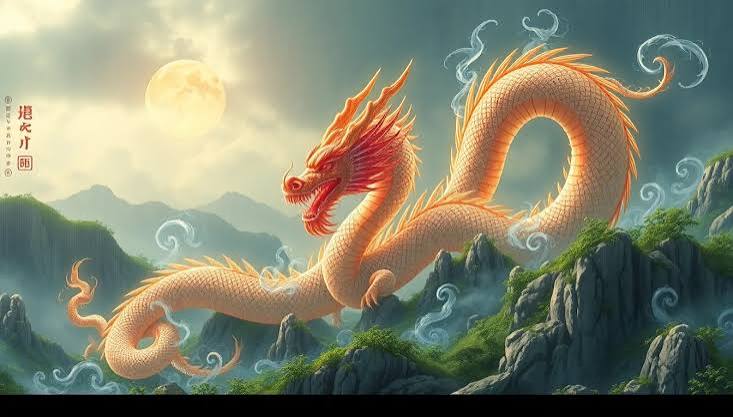
Why Is the Dragon Fifth in the Chinese Zodiac?
The historical answer is that the Dragon is connected with the fifth Earthly Branch, Chen. Once the standard animal sequence became established, its position remained between the Rabbit and the Snake.
The more famous explanation comes from the Great Race, a popular legend about how the zodiac animals received their order.
In one widely told version, the Jade Emperor calls the animals to a race or celestial contest. The order in which they arrive determines their positions in the zodiac.
The Dragon appears capable of winning because it can fly. Instead, it arrives fifth. One common version says that the Dragon stopped during the journey to bring rain to people suffering from drought. Some retellings also say that it helped the Rabbit cross a river.
The story explains why such a powerful creature did not finish first. It also turns the Dragon’s traditional connection with rain into a lesson about responsibility and compassion.
The Great Race is a traditional explanation of the zodiac order, not a historical record of how the calendar was created.
There is no single fixed version of the story. Some versions describe a river race. Others describe a heavenly invitation, a banquet, or the selection of palace guards. The organizer may be the Jade Emperor, the Buddha, or another sacred figure, depending on the tradition and retelling.
The Great Race belongs to the wider collection of Chinese legends and traditional stories. It should not be treated as the only original explanation of the zodiac.
Historical Explanation and Folklore Explanation
| Historical framework | Great Race legend |
|---|---|
| The animals became associated with the Twelve Earthly Branches. | A heavenly ruler organizes a race or contest. |
| The Dragon corresponds to the fifth branch, Chen. | The Dragon arrives fifth after stopping to help others. |
| The standard animal order was established in ancient China. | The story developed in multiple oral and written versions. |
| No single surviving source explains every original pairing. | The story gives personalities and moral qualities to the animals. |
Is the Zodiac Dragon a Specific Deity?
No. The zodiac Dragon represents the general cultural category of the Chinese dragon. It is not one named god, Dragon King, imperial dragon, or literary character.
Chinese traditions contain many different dragon figures. Some rule seas or rivers. Some control rain. Some appear as guardians, ancestors, imperial symbols, or characters in famous stories.
These traditions overlap, but they should not be combined into one universal dragon biography. The zodiac Dragon borrows meaning from the wider dragon tradition without representing one specific being.
Readers can explore other related beings in the site’s guide to Chinese mythical creatures.
What Does the Dragon Sign Symbolize?
In popular Chinese astrology, people born in Dragon years are often described as confident, energetic, ambitious, creative, or capable of leadership. Dragon years are also commonly regarded as favorable because of the creature’s prestigious symbolism.
These descriptions are traditional astrological beliefs. They are not scientifically proven rules about every person born during a Dragon year.
Traditional Chinese fate calculation can consider much more than the birth-year animal. The month, day, hour, Heavenly Stem, Earthly Branch, and relationships among the five phases may also be important.
The twelve animal signs combine with Wood, Fire, Earth, Metal, and Water in the larger sixty-year cycle. This produces different Dragon years, including Wood Dragon, Fire Dragon, Earth Dragon, Metal Dragon, and Water Dragon.
Common Misunderstandings
The zodiac is not a scientific list of animals
The Dragon’s presence does not prove that ancient people classified dragons as a documented animal species. The zodiac is a cultural and calendrical system, not a work of zoology.
The Jade Emperor story is not the historical origin
The Great Race is a popular legend that explains the existing order. The animal cycle developed in connection with the older Earthly Branch system.
The Dragon is not automatically the best sign
The Dragon has prestigious associations, but the zodiac is a repeating cycle rather than a formal ranking from best to worst. Finishing positions in the race story explain sequence, not permanent superiority.
The zodiac Dragon is not the same as every Chinese dragon
Dragon Kings, imperial dragons, rain dragons, literary dragons, and the zodiac Dragon belong to related traditions, but they are not identical figures.
Chinese and European dragons are different cultural traditions
Chinese dragons are frequently associated with rain, rivers, clouds, and favorable power. Many famous European dragons are portrayed as fire-breathing enemies or treasure guardians. Neither tradition is completely uniform, but they should not be treated as interchangeable.
Why the Dragon Belongs in the Zodiac
The Dragon belongs in the Chinese zodiac because the cycle reflects a traditional cultural world, not only the animals found on farms or in forests.
The calendrical system explains why the Dragon occupies the fifth position. Traditional symbolism explains why a mythical creature could be included naturally. The Great Race explains how later storytellers made the established order memorable.
Understanding these layers prevents two common mistakes: treating the Great Race as documented history and treating the zodiac as a scientific list of animal species.
The Dragon’s place in the cycle shows how Chinese timekeeping, mythology, agriculture, political symbolism, and popular storytelling became connected over many centuries.
Frequently Asked Questions
Why is the Dragon the only mythical animal in the Chinese zodiac?
The exact original reason is unknown. The Dragon was already an important cultural symbol associated with rain, water, authority, and good fortune, so it could represent a year as naturally as a real animal.
Why did the Dragon finish fifth in the Great Race?
One popular version says the Dragon stopped to bring rain to people suffering from drought. Some retellings also say it helped the Rabbit cross a river.
Did the Jade Emperor create the Chinese zodiac?
The Jade Emperor organizes the animals in popular legends, but this is not the documented historical origin. The zodiac animals became associated with the older Twelve Earthly Branches.
What is the Dragon’s Earthly Branch?
The Dragon corresponds to Chen, the fifth of the Twelve Earthly Branches.
Is the zodiac Dragon the same as the Dragon King?
No. The zodiac Dragon is a general symbolic animal. Dragon Kings are specific water deities found in Chinese religion, folklore, and literature.
What does being born in a Dragon year mean?
Popular astrology associates Dragon years with confidence, energy, ambition, creativity, and leadership. These are traditional beliefs rather than scientifically proven personality rules.
References and Further Reading
- The Metropolitan Museum of Art, Set of Twelve Zodiac Animals. Museum record discussing the established order of the twelve zodiac animals and the sixty-part calendrical cycle.
- The Metropolitan Museum of Art, Celebrating the Year of the Tiger. Overview of the twelve-year animal cycle and its early historical development.
- National Palace Museum, Animals of the Chinese Zodiac. Museum guide to zodiac traditions, Dragon symbolism, and the legendary animal contest.
- Smithsonian Institution, Year of the Dragon. Cultural overview of the Dragon sign and its associations with power, luck, and creativity.
- University of California, Irvine School of Humanities, Lunar New Year 2024. Academic commentary on the Dragon’s connection with imperial power, rainfall, and the Great Race legend.